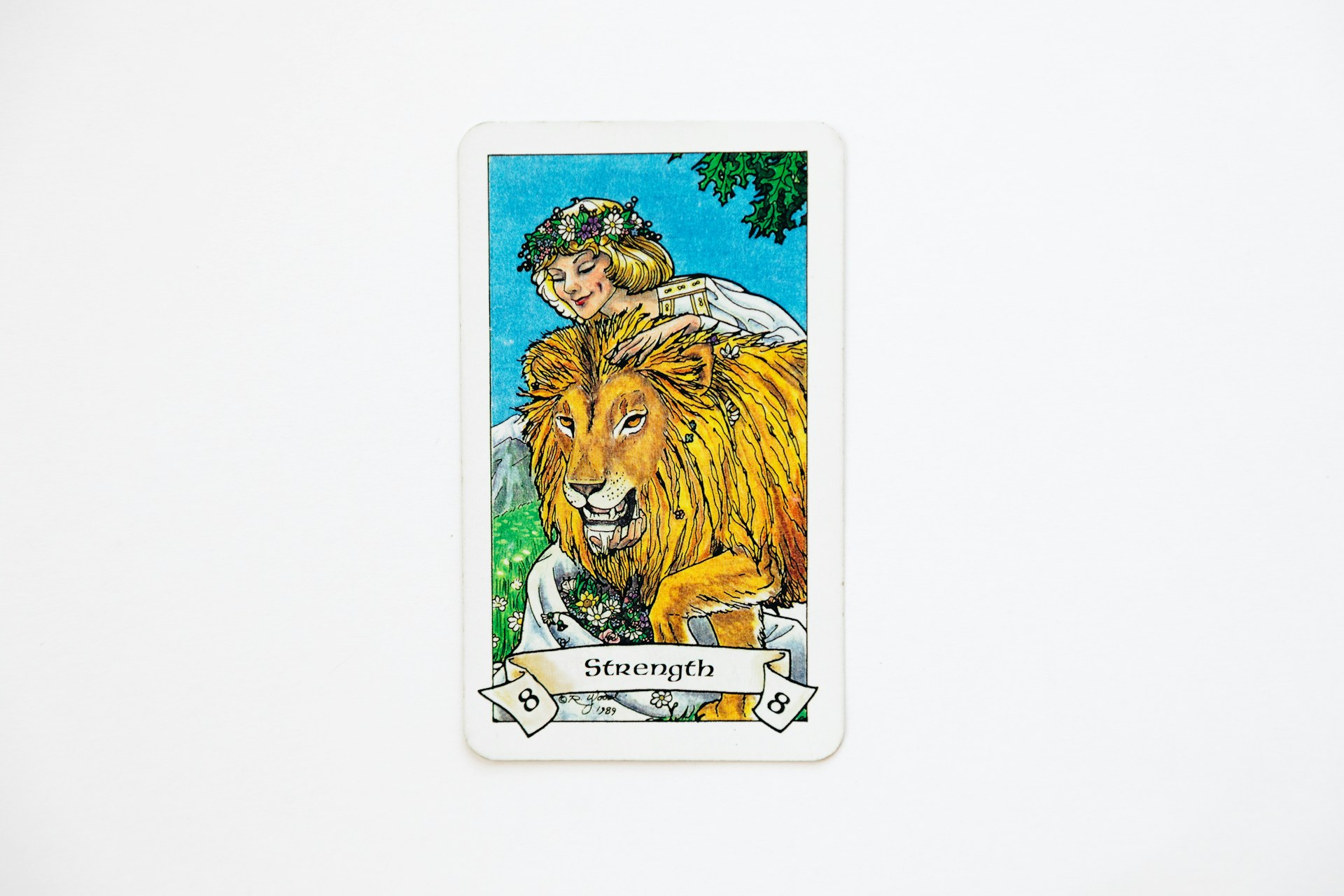
If you’ve been reading tarot for a while, or even just started, you probably already know that it’s not about predicting lottery numbers or handing out dramatic life-changing prophecies. At its core, tarot is a tool to help people get clarity, notice patterns, and tune into what’s really going on beneath the surface. And if you’re here, you’re likely ready to level up how you use it.
This guide isn’t about learning tarot from scratch or memorizing the meanings of every card (though we’ll touch on that a bit). It’s about how to get more out of your readings. How to read more confidently, intuitively, and with a bit more finesse. Whether you’re reading for yourself, your friends, or eventually for clients, there are small shifts you can make that seriously improve your sessions. Let’s get into the good stuff.
Understanding the Tarot Deck
Before you can deliver better readings, you need to be fluent in the language of your deck. That doesn’t mean you need to be a walking encyclopedia of tarot meanings, but you do need to have a good grip on the structure, symbolism, and flow of the cards.
Know Your Major and Minor Arcana
The tarot deck is split into two main parts: the Major Arcana (22 cards) and the Minor Arcana (56 cards). The Majors represent big themes and turning points in life: those “aha” moments and internal shifts. The Minors are more about day-to-day situations, emotions, relationships, and decisions.
When you draw a Major card, it usually signals a stronger or more lasting influence than a Minor one. Learning the general flow of the Major Arcana, from The Fool’s journey all the way to The World, can help you place any single card in a bigger context. You’ll start to notice themes like growth, risk, clarity, and transition just by seeing where a card falls on that path.
The Minor Arcana is divided into four suits: Cups (emotions and relationships), Pentacles (career, money, and material things), Wands (passion and action), and Swords (thoughts and challenges). Within each suit, the cards progress like a story, from the Ace to the King. The more you get a feel for how these suits express themselves, the easier it becomes to interpret their messages quickly.
Reversals Are Optional but Worth Exploring
Some readers skip reversed cards altogether, and that’s fine. But if you’re looking to deepen your readings, it helps to understand what a reversal might signal. It doesn’t always mean the opposite. It could point to a delay, an internalized version of the energy, or an imbalance.
For example, the reversed Six of Cups might suggest someone is stuck in nostalgia instead of just fondly remembering the past. Learning how you personally interpret reversals can add a layer of nuance without making the reading harder or messier.
Use Tools to Learn Faster
Let’s be honest: memorizing 78 card meanings can feel like a lot. You don’t need to do it overnight. One of the easiest ways to learn faster is to pull a card every day, write about what it might mean, and then reflect on your day later. Over time, you’ll start building your own internal reference guide.
You can also make flashcards with keywords or keep a small notebook where you jot down insights from readings. Tarot apps can help too, especially ones that let you look up cards quickly or save your readings. But nothing replaces practice, so the more you read, the faster you’ll grow.
Creating the Right Atmosphere
Giving a great tarot reading isn’t just about knowing the cards. The space you read in, the mindset you bring, and the vibe you create all play a huge role. A solid atmosphere grounds both you and the person you’re reading for, and it helps everyone involved feel more open and focused.
Set the Tone With Your Space
You don’t need a velvet-draped table and a crystal ball (unless that’s your thing), but your reading space should feel clean, quiet, and intentional. That could mean a small table by a window, your bedroom floor, or even a café corner if you’re in the right headspace.
Soft lighting, candles, or incense can help create a feeling of focus. Some readers keep crystals nearby for energy clearing or grounding, but again, it’s about what helps you feel settled and connected. The point is to make it feel like a moment—not just something rushed between other tasks.
If you’re doing virtual readings, you can still create atmosphere by choosing a calm, uncluttered space and using your tone of voice to invite focus. It’s less about looks and more about energy.
Prepare Yourself First
Before you dive into a reading, take a minute to center yourself. Even a quick 30-second deep breathing practice can clear your mind. Some readers meditate, others shuffle their cards while thinking about the person or question they’re reading for.
Grounding helps too, especially if you’re feeling scattered or distracted. That could be something as simple as placing both feet flat on the floor, closing your eyes, and picturing your energy settling. The more present and focused you are, the more accurate and connected your reading will feel.
Some readers like to say a quiet intention or “clear” the deck by knocking on it or wafting incense over it. Again, it’s not about ritual for ritual’s sake. It’s about getting into a headspace that allows you to tune in, not zone out.
Clear the Energy Before and After
Energy sticks. If you’ve just done a heavy reading or had a weird interaction, you might bring that energy into the next session without realizing it. Simple resets help you keep readings clean and clear.
You can shuffle the deck with the intention of releasing energy, lay it out under the moonlight, or just put the cards away for a bit. Even saying, “this reading is complete” out loud can be enough to reset your mental space.
Treat each reading like its own container. That way, you stay connected to the moment and not influenced by leftover feelings or thoughts from the last session.
Developing Intuition and Symbol Interpretation
You can memorize every card in the deck and still give flat, disconnected readings if you’re not tuning in to your intuition. Intuition is what breathes life into the structure of tarot. It’s that subtle nudge or quiet knowing that fills in the blanks between card meanings. Building it takes time, but it’s something every reader can strengthen.
Practice Mindfulness to Tune In
You don’t need to be a meditation master to sharpen your intuition. Just pausing before each reading and checking in with yourself is a good start. Try sitting in silence for a minute with your eyes closed. Notice your breath, your body, and anything that’s pulling at your attention. That tiny window of stillness helps you create space for intuition to speak up.
If your mind is constantly racing or you’re multitasking during readings, it becomes harder to hear the quiet signals. Slowing down your thought process can help you feel more connected, not only to the cards but to the person you’re reading for.
Another way to stay present is to ask yourself, “What’s standing out the most right now?” It might be a specific image, word, or emotion. Following that first instinct before your brain jumps in can lead to much deeper insights.
Keep a Tarot Journal to Track Patterns
The more you read, the more you’ll notice repeat symbols, phrases, and card combinations that show up for you specifically. That’s your intuitive style coming through. A journal helps you track this over time so you can start to recognize what, say, a recurring Page of Wands really means when it comes up for you.
You can write about daily card pulls, full readings, or even just symbols that catch your eye. Don’t overthink it. A few sentences here and there is enough. The point is to pay attention to your own interpretations, not just textbook ones.
Journaling also gives you a place to sort through feelings after emotionally charged readings. What did you sense during the session? What surprised you? Where did you feel stuck? That reflection sharpens your instincts for next time.
Read the Symbols Like a Story
Every card is full of tiny details: posture, facial expressions, landscapes, animals, colors. These aren’t just decorative—they help tell the story of the card. You don’t have to know every traditional symbol, but take time to notice what your eyes are drawn to. That’s usually where the insight is.
For example, in the Five of Pentacles, you might notice the cold snow, the stained-glass window, or the hunched posture of the figures. Each one can add a layer of meaning. Is this card about financial strain? Isolation? Missing support that’s right in front of you?
You’ll also get more comfortable combining traditional meanings with your own intuitive hits. Sometimes the Lovers card isn’t about love at all, it might be about values, decision-making, or duality. Trust your gut when something feels off from the usual interpretation.
Build a Relationship With Your Deck
Your deck isn’t just a stack of cards. It’s a tool you’re learning to speak with. Take time to shuffle without asking anything. Hold the cards while you’re watching TV. Let them get used to your energy and hands. That quiet bonding time makes a difference.
Some readers even “interview” new decks by asking questions like “What’s your personality?” or “How will you best support me?” Pull a card or two and see what comes up. Over time, you’ll get a feel for how each deck communicates, which ones are better for certain topics, and which are best for personal work vs. reading for others.
Crafting Effective Questions and Spreads
A great reading starts with a great question. Vague or overly broad questions make it harder for the cards to give specific guidance. And even though tarot can technically answer yes/no questions, it shines brightest when used for deeper insight.
Ask Open-Ended Questions That Invite Insight
Instead of “Will I get the job?” try “What can I do to improve my chances in this job process?” Instead of “Does she still love me?” go for “What energy is influencing our relationship right now?” The more you open up the question, the more the cards can show you.
A good question points toward action, awareness, or emotional understanding. It gives you (or the person you’re reading for) something to reflect on and work with. You don’t need to overcomplicate it. Just shift from wanting prediction to wanting clarity.
If someone insists on a yes/no, you can still pull a few cards and read the energy they bring. But be honest about what tarot can do. It’s a conversation, not a crystal ball.
Use Spreads That Match the Situation
You don’t need fancy 12-card layouts every time. A simple three-card spread is incredibly versatile. You can assign positions like past/present/future, situation/challenge/advice, or mind/body/spirit. It’s quick, clear, and still leaves space for depth.
The Celtic Cross is one of the most well-known spreads, and it’s great for big-picture questions. It’s a bit more advanced, but once you get familiar with the positions, it can tell a full story across time, energy, and influences.
There are also spreads specifically for love, career, shadow work, and decision-making. Use them when they match the topic, or modify them to suit your style. You’re not locked into tradition. Spreads should work for you, not the other way around.
Create Your Own Spreads When Needed
Custom spreads help you answer really specific or nuanced questions. Start by writing down what you want to explore, then break it into parts. For example:
- What am I feeling about this situation?
- What energy is supporting me?
- What do I need to release?
- What’s a possible outcome if I stay on this path?
Label each card position clearly. That way, when you lay the cards out, you’re not scrambling to remember what they mean. Custom spreads give your reading structure and help you feel more in control, especially when you’re diving into unfamiliar territory.
Enhancing the Reading Experience
The best readers aren’t just good at tarot, they’re good at connection. A powerful reading feels like a conversation, not a performance. It’s about making someone feel seen and giving them something useful to walk away with. That doesn’t require fancy language or spiritual flair, just clarity, kindness, and a sense of presence.
Connect With the Person You’re Reading For
Whether you’re reading for a friend or a stranger, start by creating some ease. Ask if there’s anything specific they want to explore. Be open to quiet moments. They might be nervous, or just unsure what to say.
Good tarot reading means listening as much as interpreting. What words do they keep repeating? What emotions seem close to the surface? All of that adds context to the cards you pull.
Don’t be afraid to ask clarifying questions during the session. You’re not expected to “prove” your psychic abilities by guessing details. This is a partnership, not a guessing game.
Speak Plainly and Keep It Grounded
Tarot is only helpful if it makes sense. Don’t get caught up in mystical phrasing or vague summaries. If you see a tower moment, explain what it might feel like and how someone could navigate it. If you’re not sure what a card is saying, say that. People respect honesty and clarity more than drama.
Avoid jargon unless you explain it. If you mention a “Saturn return” or a “shadow card,” give a quick one-sentence definition. Keep your language conversational. Imagine you’re talking to a friend over coffee, not giving a TED Talk.
If you ever get a strong emotional response, someone tears up or goes silent, pause. Give them space. Ask if they want to continue. Readings can stir things up, and your calm presence makes a huge difference.
Reflect and Improve Over Time
Every reading teaches you something. After a session, especially one that felt off or unclear, take a few minutes to reflect. What worked? What didn’t land? Did you feel confident in your interpretations?
It helps to keep a log of your readings (even quick notes) so you can look back later. Over time, you’ll see how your intuition has sharpened, which spreads feel best, and which habits help you stay grounded.
Ask for feedback if it’s appropriate. Sometimes a simple “Did that make sense to you?” can reveal if you were on the right track or need to explain more clearly. It’s not about chasing validation. It’s about growing your skills.
Giving better tarot readings isn’t about having a perfectly memorized deck or being the most intuitive person in the room. It’s about showing up with care, staying present, and committing to growth. Whether you’re still fumbling through the meanings or you’ve been reading for years, there’s always something to refine.
Focus on understanding the structure of your deck. Create an environment that supports clear focus. Strengthen your intuition through regular reflection. Craft better questions. And remember that at the heart of every great reading is the simple goal of helping someone feel seen, supported, and a little more confident in their next step.
Keep showing up, keep learning, and trust that with every shuffle, you’re getting better.