You know those weird times when everything feels kind of… paused? You’re not where you used to be, but you’re also not exactly moving forward either.
Maybe something just ended, a job, a season, a big goal, and you haven’t quite figured out what’s next. Or maybe you’re waiting on something to start, but it keeps dragging its feet. It’s like being in a hallway with all the doors shut and no idea which one will open.
These are what I call “in-between” times. They’re not dramatic. They’re not exciting. Most of the time, they just feel a little blah. But here’s the thing no one tells you: there’s power in that blah. There’s strength in these quiet, transitional spaces, hidden strength that most people overlook because they’re too busy trying to fast-forward through them.
So instead of rushing past the pause or labeling it as wasted time, let’s slow down and explore what’s actually happening here. Because believe it or not, this space you’re in? It matters. And it’s doing more than you think.
The Liminal Zone
In-between times are often referred to as liminal spaces, a fancy way of saying you’re standing at the threshold of one phase and the start of another. It’s not the before. It’s not the after. It’s that awkward middle that doesn’t get much love. But it should.
What Is a Liminal Space, Really?
A liminal space is the psychological (and sometimes literal) zone between two states. Think of the feeling right after graduating, but before landing a job. Or the strange mood that hits in early spring, when winter is fading but warmth hasn’t fully arrived. That’s the liminal space.
It’s not always comfortable, because nothing is defined. And people hate that. We’re wired to want structure, direction, and a sense of control. So when we hit these transition zones, our first instinct is to try to get out of them as quickly as possible. But being in this space isn’t wrong. It’s natural. It’s part of the process.
Why We Resist the In-Between
One of the reasons in-between times feel so uncomfortable is because they mess with our sense of identity. If you’re no longer that person from the last phase, but you’re not yet whoever you’re becoming, then who are you now? That kind of ambiguity can shake you, even if everything else in your life seems fine on the surface.
We’re taught to prize action over stillness, achievement over rest. So standing still, even briefly, can feel like failure. But it’s not. It’s preparation.
What’s Really Happening in the Pause
Underneath the surface, these times are full of potential. The liminal space isn’t empty, it’s fertile. Like a blank page before the words show up. Like soil waiting for seeds. Just because you don’t see movement doesn’t mean it’s not happening.
These periods are often where we recalibrate. Our nervous systems settle. Our minds wander in useful directions. Our bodies catch up to whatever emotional load we’ve been carrying. You’re not stuck. You’re simmering.
Stillness Is Not Stagnation
One of the biggest mistakes people make during in-between times is assuming that stillness equals being stuck. But these are two very different experiences. One is passive waiting. The other is active rest. And knowing the difference changes everything.
How to Know If You’re Paused or Just Avoiding
So how do you tell the difference? If you’re paused, you probably feel unsettled, but open. You may be asking questions or considering options. You’re not in motion, but your curiosity is awake. If you’re avoiding, you might feel numb, shut down, or constantly distracting yourself to avoid thinking about anything at all.
One isn’t better than the other, but it helps to be honest with yourself about where you are. That awareness alone can bring a little more peace to the moment.
Ways to Work With the Stillness
If you’re in a pause, try letting it be a container instead of a cage. You don’t have to fill every second with productivity to prove you’re progressing. Instead, give yourself some room to breathe.
A few things that can help:
- Journaling without a prompt: Just let your thoughts spill out. You might surprise yourself with what’s been bubbling under the surface.
- Repetitive, low-stakes routines: Cleaning, walking, folding laundry, these quiet tasks can anchor your nervous system and help ideas rise up naturally.
- Paying attention to dreams or symbols: During these times, your subconscious might be doing more heavy lifting than usual. Patterns can show up if you’re paying attention.
- Changing your pace intentionally: If you’re always rushing, slow down. If you’ve been too still, gently reintroduce movement. The point is to shift from reacting to choosing.
This isn’t a time for pushing. It’s a time for listening to your body, your thoughts, and your energy levels. Treat it like a conversation, not a test.
The Strength of Doing Nothing (on Purpose)
One of the most underrated skills in life is learning how to be still without losing your mind. It takes strength to hold your center when everything in you wants to chase the next thing. It takes trust to believe that resting isn’t falling behind.
The pause isn’t punishment. It’s power. It’s where resilience is built and inner alignment has space to catch up with your outer reality. If you’re here now, you’re not off-track. You’re in the exact right place to gather your energy for whatever comes next.
The Inner Work You Don’t See Until Later
You might not feel like anything major is happening during an in-between phase, but that doesn’t mean nothing’s going on. Sometimes, the biggest shifts take place quietly, deep beneath the surface. They don’t make noise, but they leave permanent marks.
What’s Happening Underneath
These are the times when your system, mental, emotional, physical, is integrating everything it’s just been through. You might feel tired for no reason. You might get flashes of insight at weird hours or feel oddly emotional over things that didn’t bother you before.
That’s your nervous system resetting. Your brain is sorting out stories you’ve told yourself. Your heart is releasing stuff it didn’t have time to deal with before. It’s a clean-up crew doing invisible work. Don’t underestimate it just because it doesn’t look productive.
Growth That’s Not Always Measurable
The tricky thing about these periods is that they don’t come with external proof. No new title. No finished project. No big moment to point to and say, “See? I changed.” But that doesn’t mean you didn’t.
Some of the most important inner growth happens without milestones. You set new boundaries in your mind. You let go of things that were quietly draining you. You start to see situations and yourself with more clarity. Those shifts might seem subtle, but they shape everything that follows.
How to Support the Process
Instead of fighting the stillness, make space for it. This isn’t about “doing the work” in a forced way. It’s more about creating enough calm for that work to rise on its own.
A few ways to hold space:
- Take breaks from inputs: Give yourself a break from constant scrolling, advice overload, or content that keeps trying to fix you.
- Stay gently curious: Instead of forcing answers, ask soft questions. “What’s changing in me?” “What feels different than it did a month ago?”
- Move your body intentionally: Gentle walks, stretching, or intuitive movement can help process emotions you don’t have words for yet.
The in-between might not come with fireworks, but it often delivers something better: long-term alignment.
Tapping into the Magic of the Threshold
There’s something ancient about the energy of in-between times. People have always recognized the power of thresholds, those moments of not-this-anymore, not-yet-that. And if you’re open to it, you can tap into that energy in really grounding ways.
Why Thresholds Have Always Mattered
Crossroads. Doorways. Dusk and dawn. These have long been considered sacred because they exist between states. They’re neither one thing nor the other, and that makes them powerful. That same idea applies to transitional times in your life. They’re spiritually charged, whether or not you’re calling it that.
It’s not just symbolic. Being in a liminal phase puts you in a heightened state of sensitivity. You’re more open to intuition, signs, and inner messages because there’s less noise from constant doing.
Simple Rituals to Anchor This Energy
You don’t need a full moon or a big ceremony to work with threshold energy. The beauty of it is in how simple it can be. A few easy ideas:
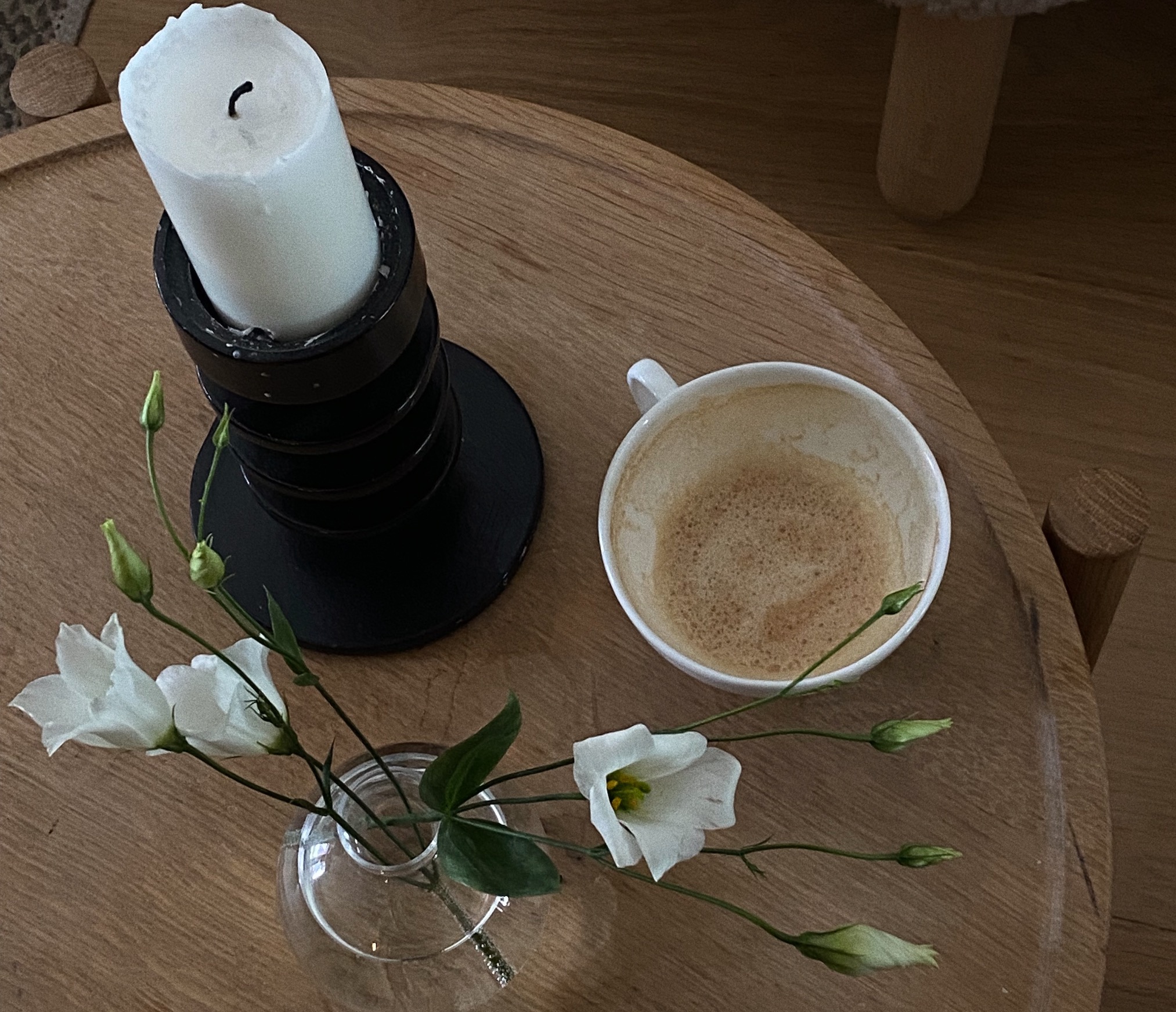
- Light a candle with intention: Pick a time of day you feel most “between” and sit with a candle while reflecting on what you’re releasing and what you’re inviting in.
- Shift your altar or sacred space: Even if it’s just a corner table, change it to reflect the transition. Add objects that represent stillness, waiting, or hope.
- Pull a card or use a pendulum: Quick, low-pressure ways to get a gut-check from your own intuition.
These tiny rituals aren’t about answers, they’re about tuning in. They help ground you in the present and remind you that this time has purpose, even if it feels quiet.
Magick Doesn’t Always Mean Action
Magick in these moments is less about casting and more about sensing. It’s about alignment, not output. That can be frustrating if you’re used to measuring your progress in visible ways, but this kind of energy isn’t about visibility.
It’s about preparing your inner landscape so when the next phase starts, you meet it ready, not rushed.
Let It Change You: Walking Out Different Than You Walked In
Eventually, the pause ends. The next job comes. The creative energy returns. The decision gets made. But you’re not walking out the same person who walked in… and that’s the point.
This Isn’t Wasted Time
Even if nothing “happened” while you were in the in-between, you’ve been changed. Not always in ways you can name, but in ways you can feel. Your energy might be clearer. Your values sharper. You’ve probably let go of things that no longer make sense to carry.
This kind of growth doesn’t make noise, but it shows up in your next choices. The strength you built in the pause becomes the foundation for whatever comes next.
Let the Transition Leave Its Mark
Before you leap into your next chapter, pause one last time. Ask yourself:
- What did I learn while waiting?
- What no longer fits?
- What do I want to carry forward intentionally?
Let the answers guide your re-entry. You don’t have to make a dramatic move. You just have to show up a little more aligned than before. That’s what this whole in-between thing has been preparing you for.
We tend to overlook the in-between. It’s not flashy. It’s not headline-worthy. But it’s necessary. This space you’re in where things aren’t defined, and momentum feels slow, it’s doing its job. It’s setting the stage for what comes next.
And maybe next time you find yourself in the thick of it, you’ll recognize it sooner. You’ll see the strength in the pause. You’ll stop pushing and start listening. Because now you know this isn’t wasted time. It’s a quiet kind of power, and it’s yours to work with.