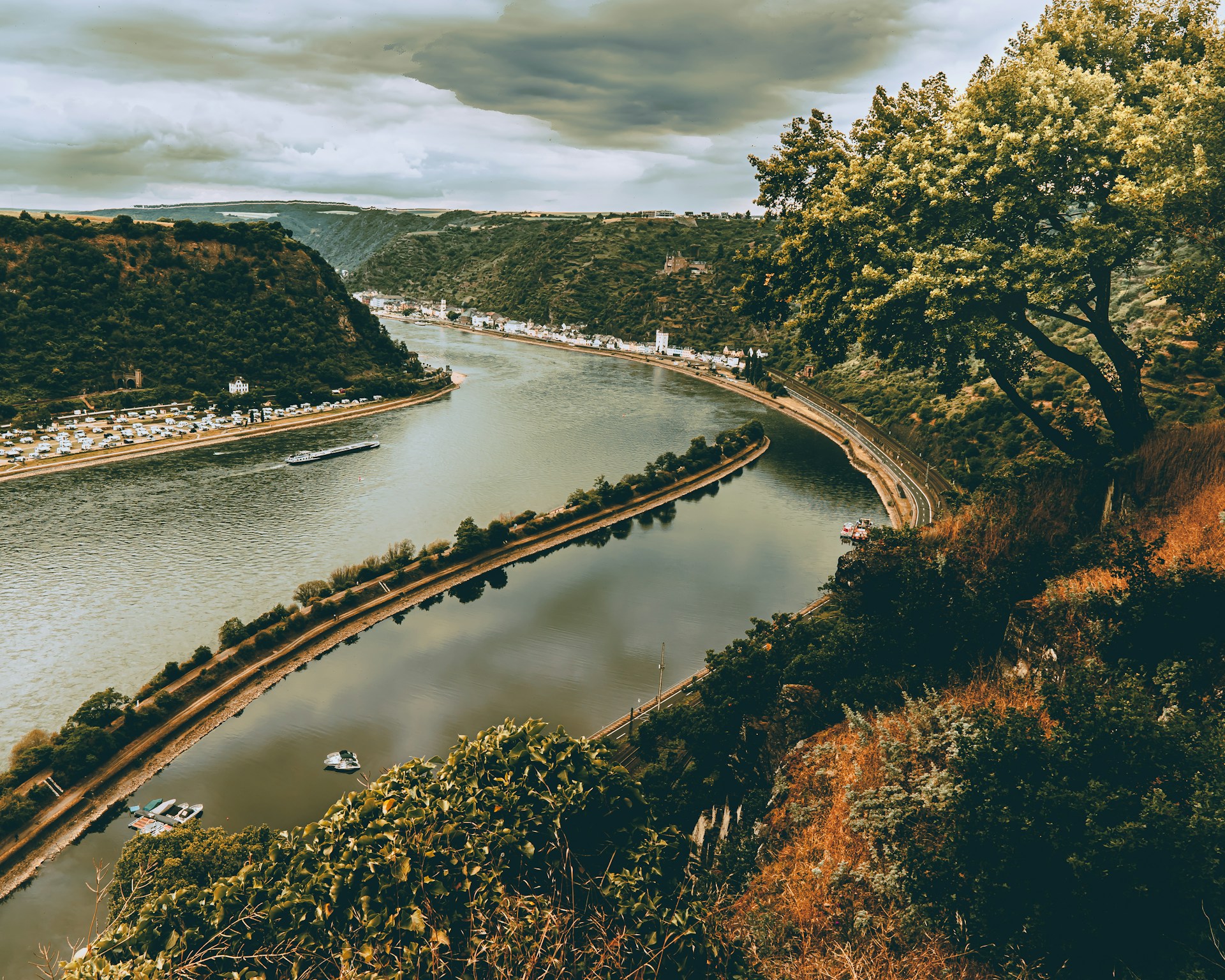
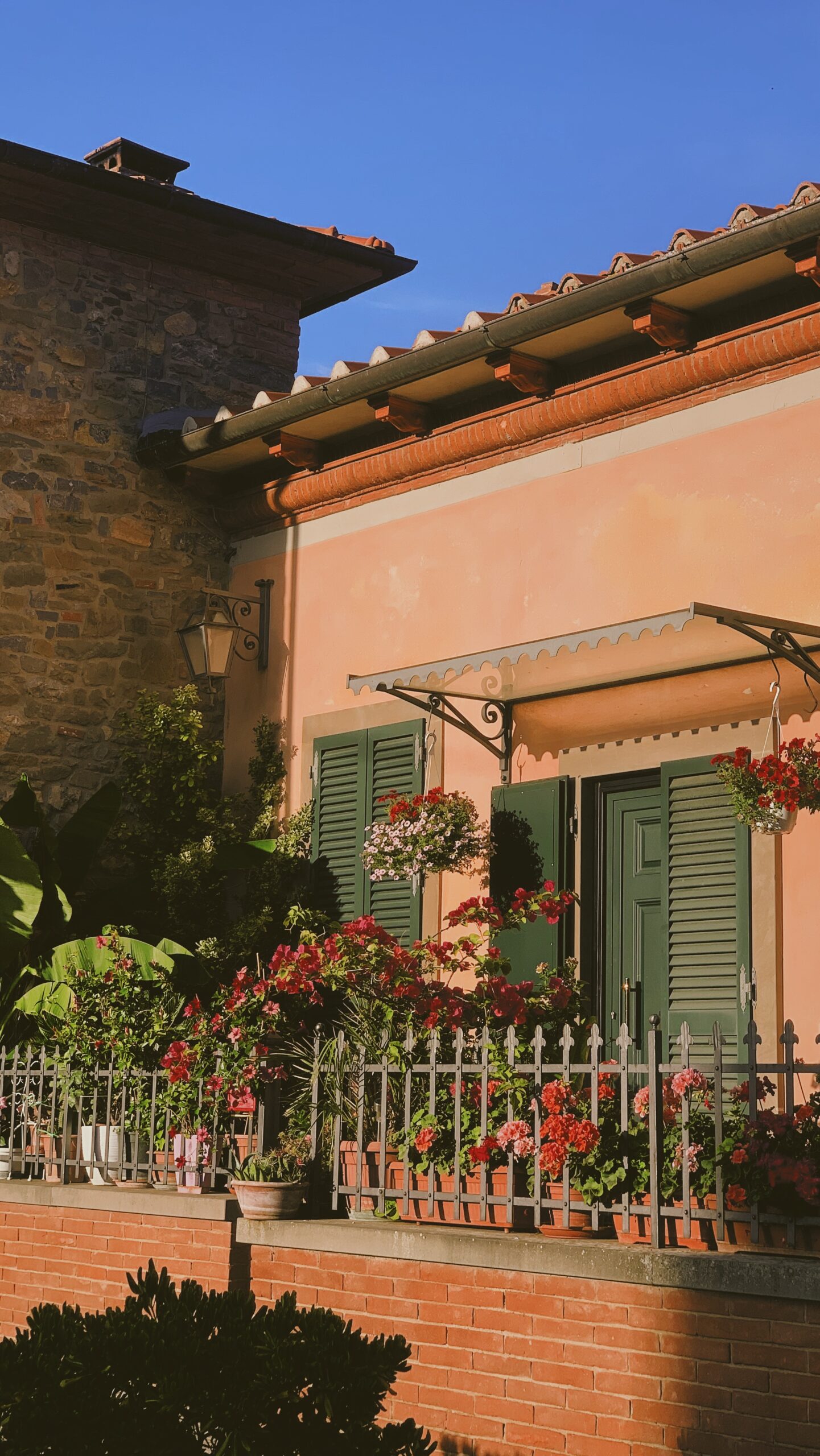
The best trip I ever took cost me less than $200 and involved a town with one diner, a used bookstore, and a state park nobody had heard of. I had booked a week in Portugal the month before and spent the whole flight home vaguely exhausted. The small town weekend, two months later, left me actually rested. That difference took me years to understand, but now I plan around it.
Why the big trip often leaves you needing a vacation from the vacation
There is something nobody warns you about when you are saving up for a big international trip. The logistics alone are a part-time job. You are tracking flights, reading reviews, managing expectations, keeping a group itinerary together, and by the time you land, you are already operating at a low-grade stress level. Add time zones, unfamiliar food, and the pressure to see everything because you paid so much to be there, and the whole thing can feel like a performance of relaxation rather than the real thing.
I spent years doing the big trip every summer and wondering why I came back feeling hollow. A week in a major European city, two weeks in Southeast Asia. Great experiences, genuinely. But I was tired in a way that a weekend at home could not fix. The recovery time after a big trip is real, and most people do not budget for it.
What a small town actually gives you that a big destination cannot
When you go somewhere small, the decision fatigue disappears almost immediately. There are three restaurants. You pick one. The downtown is four blocks. You walk it in twenty minutes and feel like you have seen the whole place. That smallness is not a limitation. It is relief.
The pace change is immediate
One of the first things I noticed on my first real small town trip was how quickly my shoulders dropped. Within an hour of arriving I had nothing to optimize. No museum queue, no reservation I had to check in for, no alert on my phone about a flight change. The town just existed and I existed in it.
That speed drop happens faster than it does on a big vacation because there is genuinely less stimulation pulling at your attention. Your nervous system notices. You sleep better the first night instead of the third.
You actually talk to people
The diner owner in that first small town trip told me about a waterfall twenty minutes up a road I would never have found on my own. The guy at the gas station mentioned the covered bridge down the hill that was not in any article. These conversations happen because nobody is rushed, nobody is overwhelmed, and you are not one of ten thousand tourists rotating through a famous site.
I have learned more interesting local history from a single conversation at a small town coffee counter than from a full afternoon in a big city museum. That is not me being anti-museum. It is just that the human contact in a small town is different. It feels mutual instead of transactional.
The practical side that makes it easier to actually do
Small town trips are low-barrier in a way that makes them easier to pull off on short notice. You are not coordinating six months in advance. You are not watching flight prices or stressing about accommodation. A last-minute search for a cabin, a bed and breakfast, or even just a motel in a small town near state land is usually affordable and available.
One thing I have learned from doing this regularly: pick a town that has at least one thing you genuinely want to do, not just a place that sounds quaint. A hiking trail, a river, a local food scene, an antique market. One anchor activity is enough. It gives the trip a loose structure without turning it into a schedule.
Also, and this took me embarrassingly long to figure out, do not bring a packed itinerary. The whole point is to arrive with one plan and let the rest fill in on its own. I used to overplan small trips the same way I planned big ones. It killed the looseness that makes them work.
How to pick the right small town
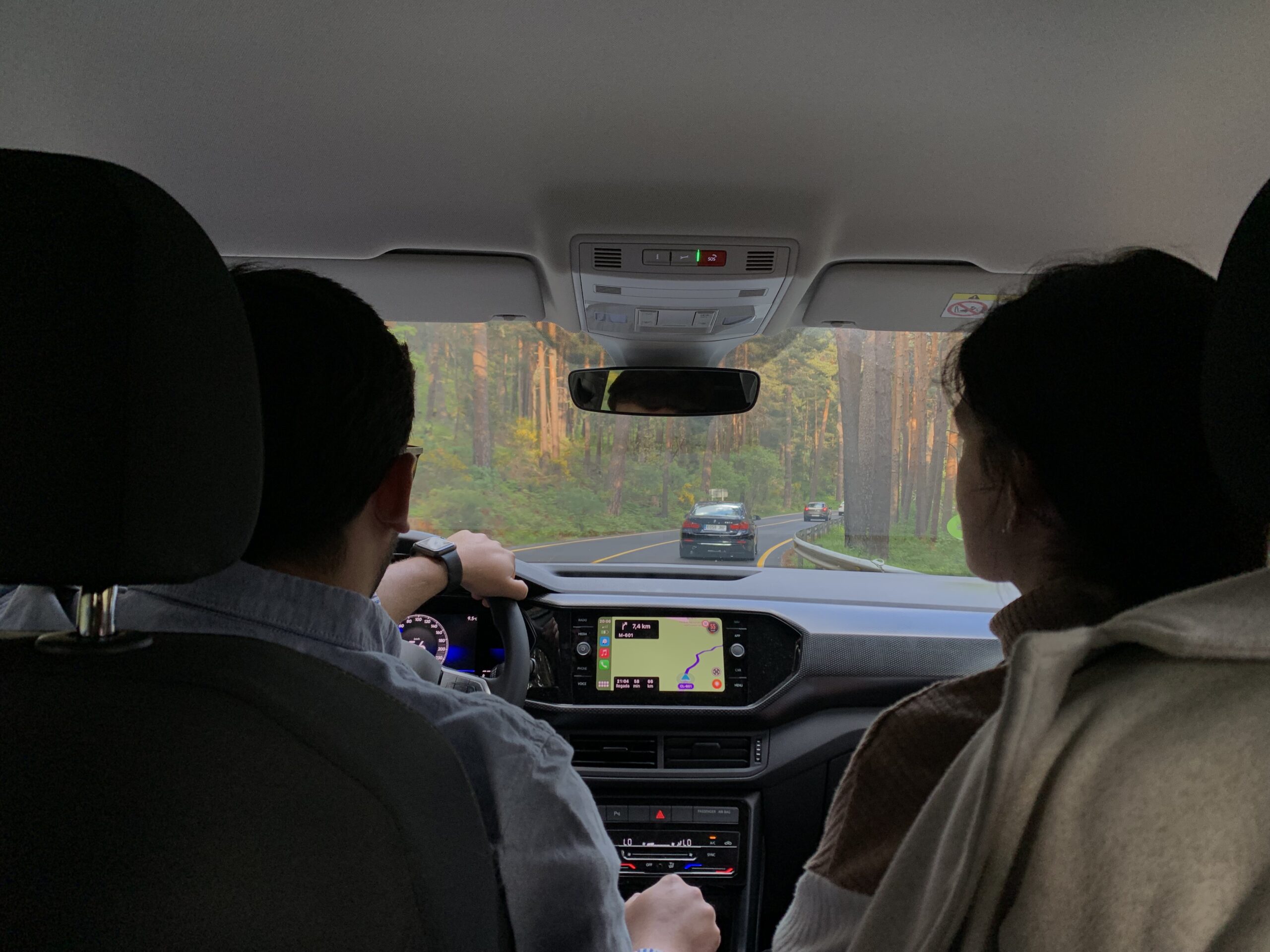
I look for towns within two to three hours of home. Close enough that the drive is not its own event, far enough that you feel like you have genuinely left. I use a simple filter: is there somewhere to sleep, somewhere to eat that is not a chain, and is there something natural nearby. That is the whole checklist.
State parks are my starting point. I find a park I have not been to, look at what town is closest, and build from there. Most of those towns have at least one good local spot, and the park itself gives you a reason to get outside and move, which is usually what I actually need by the time I am desperate for a break.
The towns that have worked best for me are the ones that still have a working local economy. A hardware store, a coffee shop that is not a chain, a diner where people come in on weekday mornings. Those towns have texture. The purely tourist-facing small towns, the ones that exist only to sell you candles and fudge, have a slightly hollow feeling that is hard to shake.
My next trip is already sketched out in my head. A little mountain town four states over, a trail I have been meaning to do for two years, and a bed and breakfast with good reviews for the breakfast part specifically. Nothing elaborate. That is exactly the point.