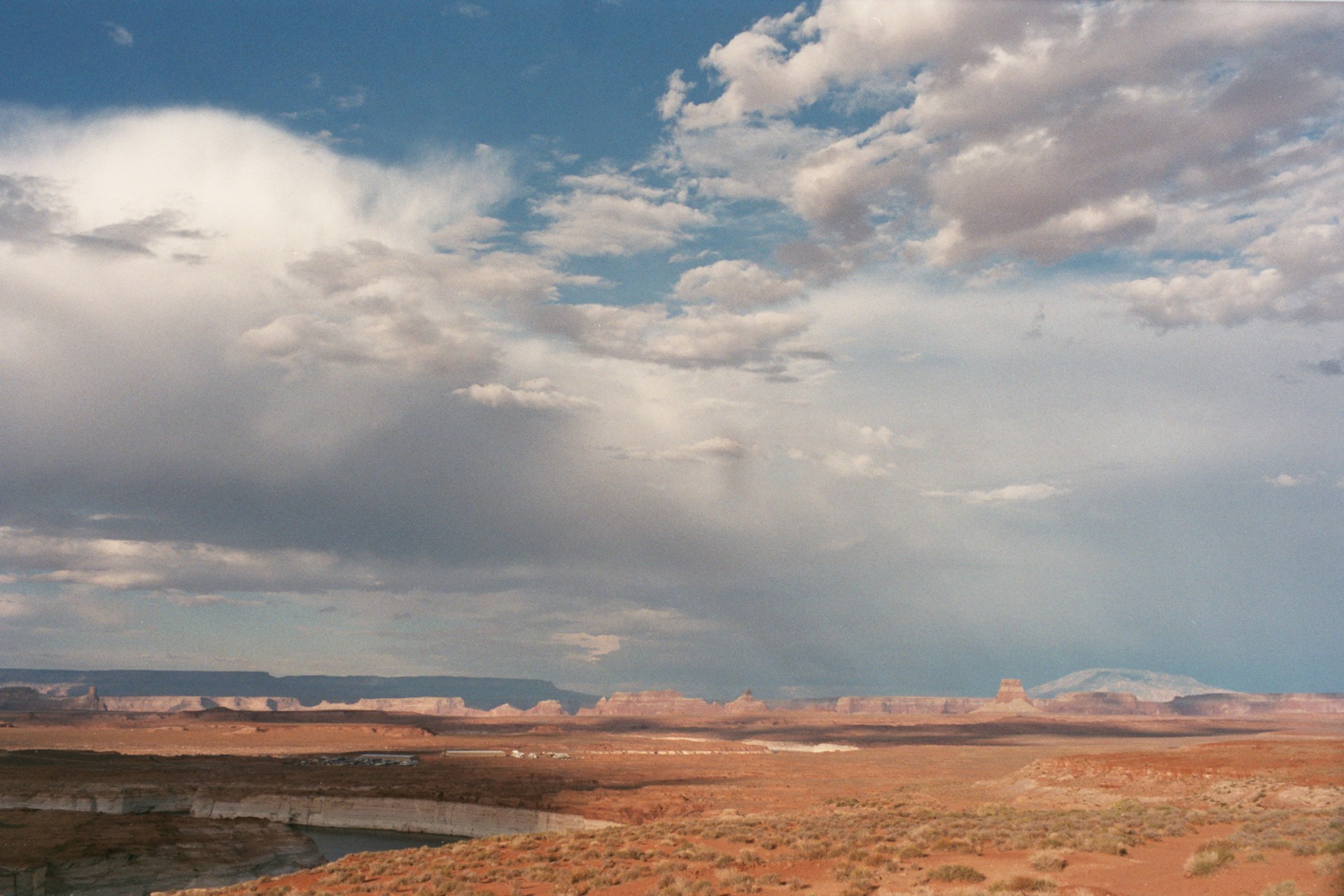
I figured out something about my brother on a road trip years ago that I never could have learned sitting across a dinner table from him. We were somewhere in eastern Nevada, he had chosen the route, and we had not passed a chain restaurant, a highway on-ramp, or honestly much of anything for about ninety miles. He looked completely at peace. I was mildly unsettled. That was the moment I understood that the kind of road trip someone gravitates toward tells you more about how they actually think than almost any personality quiz ever could.
I have been doing long road trips since I was nineteen, solo and with other people, and over the years I have watched the preference patterns get very consistent. The type of trip someone chooses is almost never random. It maps onto something real about how they handle uncertainty, what they need from their downtime, and what they consider a reward. Here is what I have come to believe about the most common types.
The route planner with a printed itinerary
You know this person. Maybe you are this person. Every hotel is booked, every dinner reservation exists, and there is a printed sheet with departure times and expected mileage per day. I was this person in my twenties, and looking back I can see exactly what it was about. Control. The trip was a vacation in theory, but the planning behavior was just work dressed in a different outfit.
People who road trip this way tend to get their satisfaction from the planning itself almost as much as the trip. The road is just execution. They are usually reliable, thoughtful, and genuinely good at anticipating what other people need. The shadow side is that they can struggle when things go sideways, because a missed exit can feel like a personal failure when the whole system depends on everything going right. If this is you, the single best thing you can do is build one intentionally unplanned afternoon into every trip. Just one. See what happens.
The scenic route person
This is my brother. This is also, increasingly, me. The scenic route person does not care about arriving. The destination is almost a formality. What they are after is the drive itself, the weird roadside geology, the diner that does not appear on any map app, the county road that adds forty minutes but goes through a canyon nobody talks about. These people are not being inefficient on purpose. They genuinely experience the journey as the point, and they are a little baffled by people who do not feel the same way.
In my experience, scenic route people are usually more comfortable with ambiguity than the average person. They tend to be curious in a broad, unfocused way and often have a lot of half-finished projects at home because something more interesting came along. The flip side is that they are usually wonderful travel companions if you can let go of the schedule, because they find things nobody else would find. One specific tip I would give anyone traveling with a scenic route person: eat before you get in the car. They will not stop when you expect them to, and they will absolutely find somewhere better eventually, but you will be hungry in the meantime.
The national parks completionist
These road trips have a list at their center. A passport book getting stamped, a set of parks getting checked off, a goal being pursued across state lines. I have met a lot of completionists on the road and they are almost uniformly enthusiastic, generous with tips, and slightly competitive in a way they would not quite admit to. They will absolutely tell you which park’s sunrise is the best one they have ever seen, and they will have a ranking.
What the list is really about
The list gives completionists a structure that makes space for awe. Without the list, a trip to a national park might feel indulgent or purposeless. With the list, there is permission to be fully present because the productivity box is already checked. I think this is actually a clever psychological trick that completionists have figured out, even if they would not describe it that way.
These are people who tend to do best with goals that have clear endpoints. They are finishers. At home, their bookshelves are probably organized, and they feel genuinely uncomfortable leaving things half done. On the road, they are usually excellent at logistics and terrible at deciding to stay somewhere longer than planned, because moving on is part of the mission.
The no-plan, just-drive person
I respect these people enormously and I cannot fully be one of them. The no-plan trip is exactly what it sounds like: get in the car, pick a general direction, stop when something looks worth stopping for, sleep somewhere you found an hour ago. Pure improvisation. I have done versions of this and the ones that went well were genuinely among my best memories on the road. The ones that went badly involved a closed campground, a lot of darkness, and a tense night in a parking lot.
People who love this style tend to be self-contained. They do not need much external validation, they trust their own instincts, and they are comfortable being uncomfortable. The thing that actually makes this style work, and that most people do not figure out until they have done it a few times, is that you need one non-negotiable fallback. Not a full plan. Just one thing: a credit card with room on it, or a general area you are aiming toward, so there is a floor under the uncertainty. Without that one thing, no-plan trips just become stressful.
My own road trip personality has shifted a lot over the years, moving from completionist toward scenic route with occasional no-plan detours when I am feeling brave. What I notice is that the trips I remember most are the ones where something went unexpectedly, which probably says something about me I am still working out.