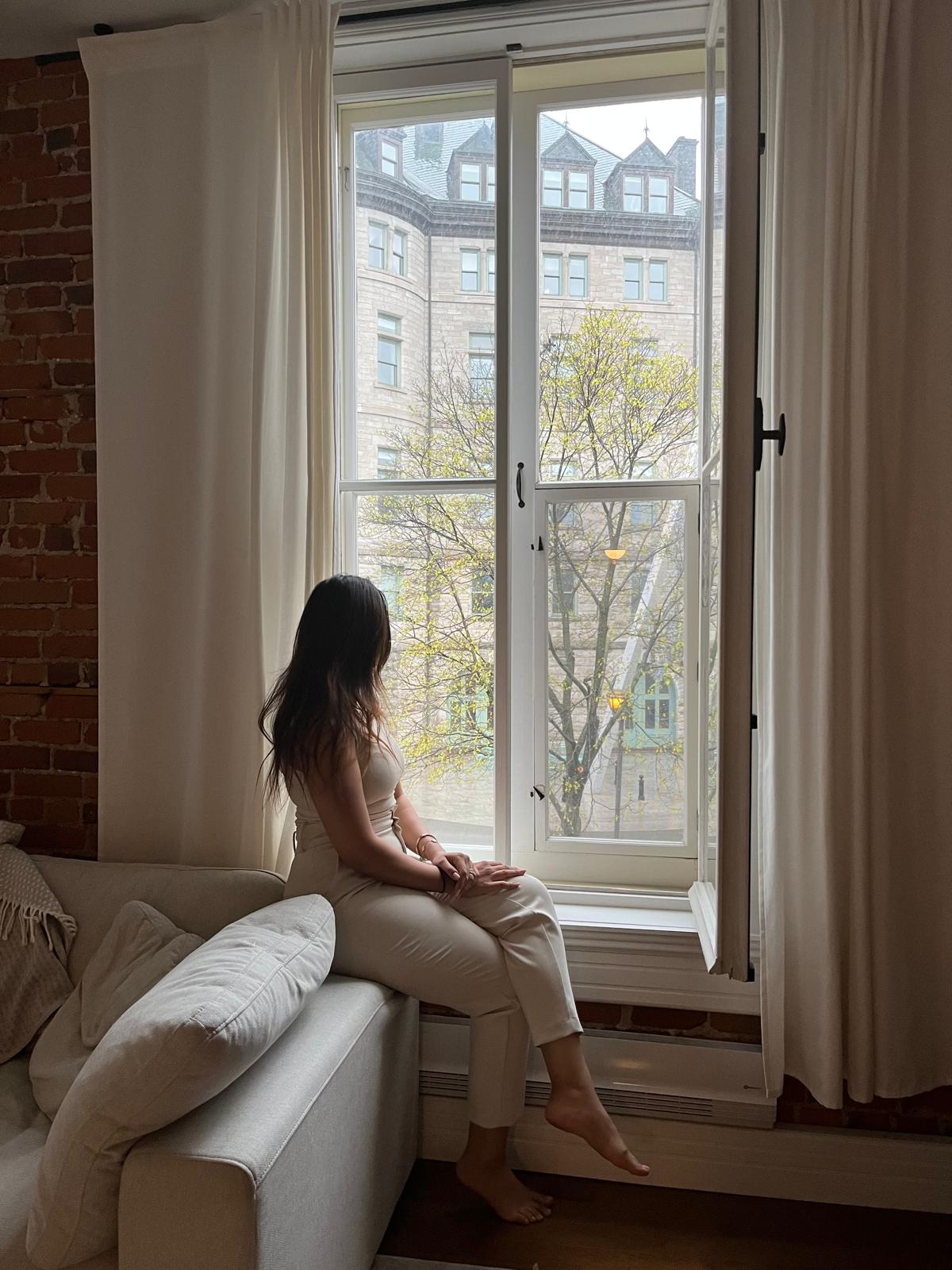
I used to think my messy bedroom was just a personality quirk. Clothes on the chair, books stacked in three different places, a drawer that hadn’t been fully closed in months. I told myself I was busy. Then a friend came over, looked at my room, and said something I wasn’t ready to hear: “You clearly don’t let people in, do you?” That landed harder than I expected.
The bedroom as a private signal
Your bedroom is the one space in your home that guests rarely see. That matters. Because the way you treat a space no one else enters tells you a lot about how you treat your inner world. Over the years I’ve noticed a pattern, both in my own life and watching people I’m close to: the state of someone’s bedroom tends to mirror how they’re handling what they’re not saying out loud.
This isn’t about tidiness as a virtue. Plenty of emotionally grounded people have cluttered spaces. What I’m talking about is the specific texture of the mess, what’s piling up, what’s being avoided, and what you feel when you walk in and close the door.
The pile that never gets dealt with
For me it was always the chair. Every bedroom I’ve lived in had a chair that collected things I didn’t know what to do with: a birthday card I felt guilty about not displaying, a jacket that belonged to someone I wasn’t over yet, a gift I neither liked nor could bring myself to donate. That pile wasn’t clutter. It was deferred decisions about people and feelings I hadn’t resolved.
When I finally started going through those things, actually making decisions instead of just moving them around, something shifted in how I handled difficult conversations too. I don’t think that’s a coincidence. Practicing the small act of deciding, even about a jacket, built a muscle I had been avoiding using on bigger things.
Stuff that belongs to other people
One thing I’ve noticed that almost no one talks about is how many people have other people’s belongings in their bedrooms for years after those people are gone. An ex’s hoodie in the closet. A friend’s book you kept meaning to return. A parent’s trinket you felt obligated to take but never wanted. These objects tend to stay because returning or letting go of them requires a conversation or a decision you’re not ready to have.
I held onto a box of my ex-partner’s records for almost two years after we broke up. I told myself it was logistics. It wasn’t. Giving them back meant closing something. The records staying meant the door was technically still open. Once I sent them back, the room felt physically lighter, and I stopped checking his social media within about a week. The objects were doing emotional work I wasn’t aware I’d assigned them.
What avoidance actually looks like
Avoidance in a bedroom rarely looks like chaos. More often it looks like selective chaos: one corner that’s spotless, one drawer that’s immaculate, and then an entire zone that’s just accepted as unusable. That split is worth paying attention to. The controlled area is usually where you feel safe. The abandoned zone is usually where the harder stuff lives.
The floor-to-wardrobe disconnect
My floor used to be covered in clothes while my wardrobe was half empty. That sounds like a laundry problem, and partly it was. But the wardrobe being empty meant I wasn’t committed to where I was living. I was halfway out the door emotionally, treating the space like a temporary stop even when I’d been there two years. Filling the wardrobe felt like admitting I was staying, and I wasn’t sure I wanted to.
When I finally unpacked properly, hung things up, and stopped treating the floor as a secondary closet, it wasn’t because I got more organized. It was because I’d decided to actually be where I was. The bedroom reflected that commitment before I’d said it to anyone else.
Surfaces that can’t hold anything
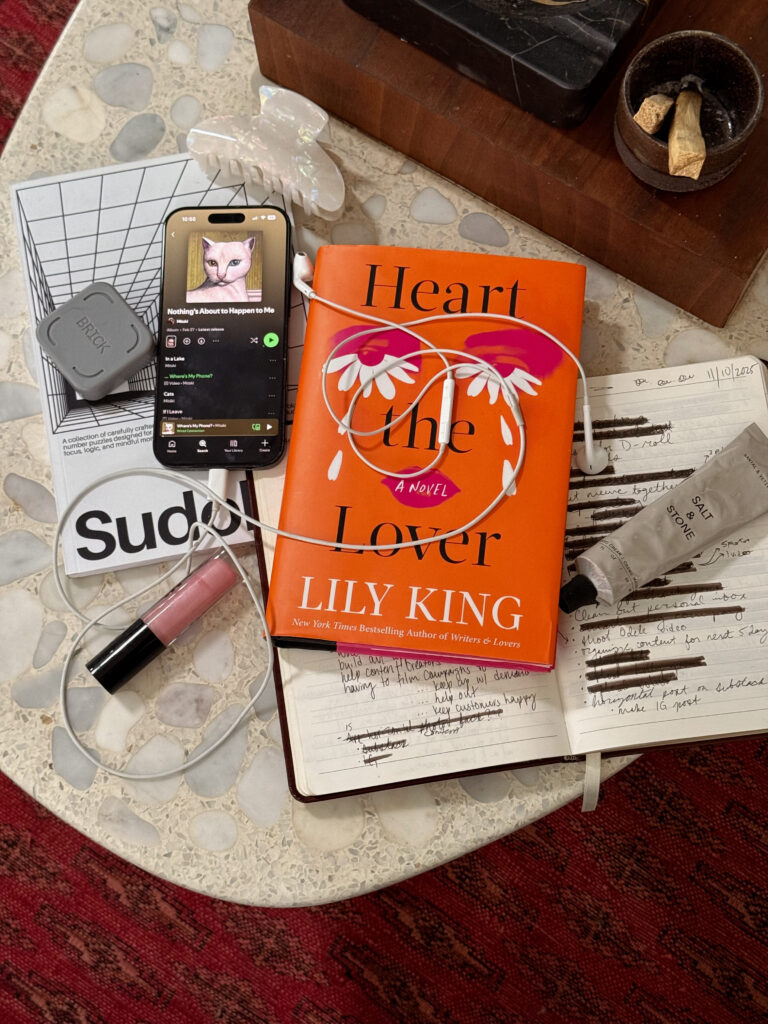
If every surface in your bedroom is covered to the point where you can’t set something down, that’s often a sign that there’s no room for anything new. Not just physically. People who are emotionally maxed out, who have said yes to too many things and drawn too few lines, often have bedrooms that look exactly like that. Full to the edge, no margin anywhere.
Clearing one surface and deciding to keep it clear is a small boundary practice. It sounds too simple to matter, but the repetition of maintaining it, saying no to the pile starting again, is the same skill as saying no to the extra obligation at work or the friend who always needs something.
What to do when you recognize yourself here
Start with one honest look. Not a cleaning session. Just stand in the middle of your room and ask what you’ve been avoiding dealing with. The pile on the chair, the object that belongs to someone else, the zone you’ve written off as hopeless. Pick one thing, not one category, one specific thing, and make a decision about it. Not a system. A decision.
What I’ve found is that the room changes slowly, and the emotional stuff does too. They move together. You don’t have to fix your relationship with boundaries and then tidy your room, or tidy your room and expect your relationships to sort themselves out. You just keep making the small decisions, and both things gradually get easier.
My bedroom is far from perfect now, but the chair is finally clear. I notice when something starts accumulating on it again, and that noticing alone is more than I had before. That’s enough for me to keep going.