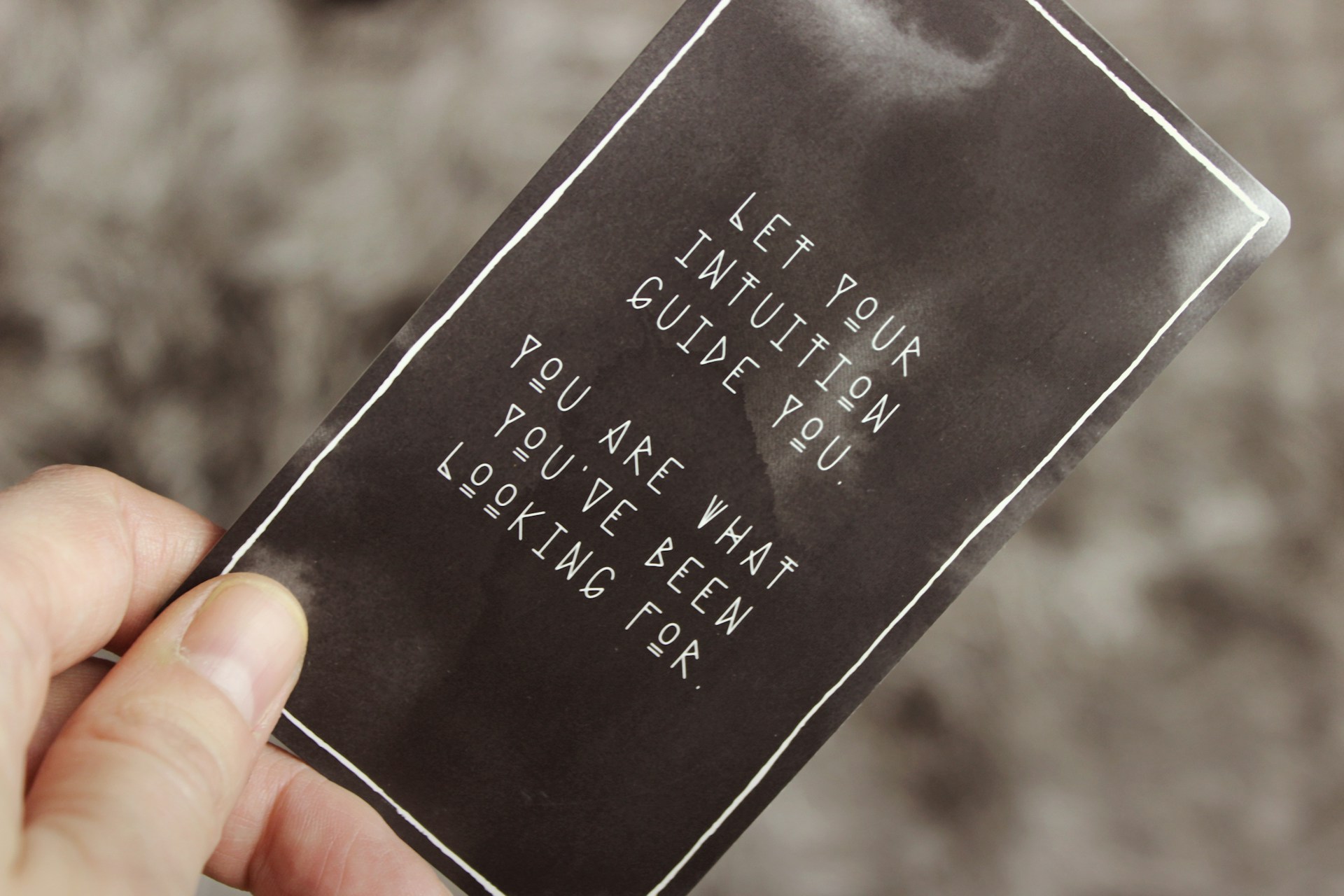
You don’t need a fancy journal or a background in meditation to start being more mindful. What you do need is a little curiosity, a pen, and a few quiet minutes. Mindfulness journaling isn’t a trend or some vague self-care tip you’ll forget about next week. It’s one of the easiest ways to reconnect with your thoughts and actually notice how you’re doing.
This isn’t just about writing down your feelings and calling it a day. Mindfulness journaling is about slowing down, paying attention on purpose, and giving your inner world some space to breathe. When your day moves a little too fast or your brain feels like it’s juggling twenty tabs at once, this kind of journaling can give you a soft landing.
Whether you’re new to journaling or you’ve filled out half a dozen notebooks already, adding mindfulness into the mix changes the game. You’re not just dumping thoughts onto a page. You’re observing them. You’re noticing your breath. You’re in it. Fully. And that simple shift makes a huge difference.
If you’re looking for a journaling habit that helps you stay grounded, calm, and a little more in tune with your life, keep reading. This guide breaks it all down.
What is Mindfulness Journaling?
Mindfulness journaling is the practice of writing with full awareness of what’s happening in your body and mind in the present moment. It’s not about creating perfect sentences or writing a mini memoir. It’s about noticing. You observe your thoughts without judgment and get them onto paper in a way that helps you stay rooted in now.
This isn’t just regular journaling with a new name slapped on it. Traditional journaling might involve storytelling, goal-setting, or reflection on the past. Mindfulness journaling, though, stays in the now. You’re tuning in to how you feel right now, what your body is telling you, and what thoughts are swirling around without trying to change any of it.
It’s like taking a snapshot of your internal weather. You might write things like, “I feel tense in my shoulders,” or “I keep thinking about that awkward conversation,” or even just “My breath feels shallow right now.” You’re not solving problems. You’re just noticing them.
And here’s what’s powerful about that: when you slow down and really pay attention to your experience, you start to understand yourself better. You start seeing patterns. You become less reactive. That’s what mindfulness does. The journaling part just makes it easier to sit with your experience and not get lost in it.
You don’t need to meditate for an hour a day or become a Zen master. You just need to be willing to show up for yourself, even if it’s just for a few minutes. That’s where the shift starts.
The Science Behind It
There’s solid research backing up why mindfulness and journaling, separately and together, work so well for your mental health. Scientists have looked into both and found real, measurable benefits that go way beyond the feel-good stuff.
Mindfulness alone has been shown to reduce stress, improve focus, help with anxiety, and even boost your immune system. It changes how your brain responds to stress by strengthening the prefrontal cortex (the part of the brain that helps with decision-making and emotional regulation) and calming down the amygdala (which handles fight-or-flight reactions).
Journaling, too, isn’t just a creative outlet. It’s been linked to improved mood, better memory, and reduced symptoms of depression. Expressive writing, where you write about your thoughts and emotions, can lower cortisol (the stress hormone) and even improve physical health by supporting your immune function.
When you put the two together, you get a double benefit. Mindfulness helps you become more aware of your thoughts without getting caught up in them, and journaling gives you a structured way to process and release those thoughts. It’s like giving your brain a reset button.
One study even found that people who practiced mindfulness writing for just 15 minutes a day reported less rumination and better emotional clarity. That means fewer overthinking spirals and more ability to name what you’re feeling instead of just reacting to it.
So no, it’s not just fluff. Mindfulness journaling literally rewires your brain to handle stress better, think more clearly, and tune into the moment. And once you experience that shift, you won’t want to go back to the scroll-scroll-scroll rhythm of daily life.
Getting Started with Mindfulness Journaling
Starting a mindfulness journaling practice doesn’t have to be complicated. You don’t need a new planner, a guided workbook, or perfect handwriting. All you really need is a notebook (digital or paper), a pen, and a moment of stillness.
Create a Simple Setup
Choose a journal you like. Even a plain spiral notebook works. If you’re using a digital app, make sure it’s distraction-free. Pick a space that feels calm, or at least neutral. You don’t need incense or ocean sounds, but it helps to be somewhere quiet where you won’t be interrupted for five to ten minutes.
Sit down, put your phone on silent, and take a few slow breaths. This doesn’t have to be a ceremony. It just helps to pause before you start writing so your brain has a chance to shift gears.
Start with Your Senses
A helpful way to get grounded is to check in with your five senses. Ask yourself: What do I see? Hear? Smell? Feel? Taste? Write down a sentence or two about each. This practice gets you out of your head and into your body, which is exactly what mindfulness is about.
For example: “The chair feels cold under my legs. I hear traffic outside. There’s a smell of coffee. My jaw feels tight.” That’s already a mindfulness journal entry.
Make It a Habit, Not a Chore
Aim to journal at the same time each day, even if it’s only five minutes. Many people find mornings or evenings easiest. You can write as soon as you wake up, or right before bed to clear your mind. The key is consistency, not length or quality.
You’re not writing a report. You’re just tuning in. Even one word a day can be enough if it’s honest. Just show up, check in, and write what you notice.
There’s no wrong way to do this. If your mind wanders, that’s normal. Just bring it back, gently, and keep going. Like anything else, it gets easier the more you do it.
Journaling Techniques That Foster Mindfulness
There’s no single method for mindfulness journaling. The best approach is whatever keeps you present and honest. But some techniques make it easier to get into the habit and help you stay mindful while you write.
Stream of Consciousness Writing
This is the classic “just write whatever pops into your head” method. No editing, no overthinking. You just put pen to paper and write freely for a set time. Say, five to ten minutes.
It doesn’t have to make sense. You might start with “I don’t know what to write,” and end up somewhere totally unexpected. The goal is to stay aware of what’s coming up in real time. If you notice a judgment or distraction, write about that too. Everything is fair game.
One-Word Focus
Choose one word, maybe “peace,” “overwhelm,” or “hope,” and write about what that word feels like right now. What thoughts or images come up when you hold that word in your mind? This practice helps you drill down and stay anchored in one idea.
It’s a great technique when you feel scattered or don’t know where to start.
Gratitude with Awareness
Gratitude journaling is everywhere and for good reason. But when you slow it down and connect it with mindfulness, it hits differently.
Instead of listing five things you’re grateful for on autopilot, pick one and go deep. Maybe it’s your morning coffee. Write about how it smells, how it feels in your hands, what memories it brings up, how your body responds to it. Let yourself stay present with it.
Breath-to-Page Writing
Start by taking three slow breaths. Then write about what you noticed during those breaths. Was it hard to stay focused? Did your mind wander? Were you holding tension somewhere?
This technique connects physical awareness with reflection, helping you stay rooted in the moment instead of drifting into planning or worrying.
You can try one technique each day or rotate through a few favorites. The point is to keep showing up, noticing, and being real with yourself.
Prompts to Kickstart Your Mindfulness Journal
Some days, your mind is blank. Other days, it won’t stop racing. That’s where prompts come in. They give you a starting point so you can focus less on what to write and more on staying present as you do it.
These prompts are designed to help you tune in to the moment, physically, mentally, and emotionally.
Morning Prompts
Start the day by checking in with where you are before the to-do list takes over.
- What’s the first thought I had this morning?
- What does my body feel like right now?
- What’s one thing I want to pay attention to today?
- What emotion is sitting closest to the surface?
Writing a few lines in response to one of these can help you move into your day with intention instead of chaos.
Midday Prompts
Use these during lunch or a break to regroup and check in.
- What am I feeling in my body right now?
- What thought keeps showing up today?
- Have I taken a deep breath yet today?
- What small moment have I overlooked?
These are great for breaking up the autopilot mode we tend to fall into during busy hours.
Evening Prompts
Wind down with reflection that’s gentle and grounded.
- What part of the day felt easiest to be present in?
- When did I feel disconnected today?
- What’s one sensation I can still feel now?
- What thoughts or feelings am still holding onto?
You don’t have to answer these in full paragraphs. A sentence or two can work just fine. The point is to notice, not to perform.
You can even write your own prompts over time. If something comes up during the day that makes you pause or take a breath, jot it down and revisit it later. That’s mindfulness in action.
Overcoming Common Challenges
Even with the best intentions, mindfulness journaling can feel weird or frustrating at times. That’s normal. You’re training your brain to slow down in a world that pushes you to go faster. It takes practice, not perfection.
“I Don’t Know What to Write”
You’ll hit this wall, especially on days when your brain feels foggy or blank. Start with the obvious: “I don’t know what to write today.” That’s already something. Write how your body feels. Write one thing you notice around you. You’re not trying to be deep, just aware.
Once you break the silence, even with a simple sentence, more usually follows. But if it doesn’t, that’s okay too. A short mindful check-in still counts.
“I Keep Judging My Thoughts”
It’s hard not to self-edit, especially if you’re used to being productive or polished in your writing. But mindfulness journaling isn’t for anyone else’s eyes. If you catch yourself trying to “sound better,” that’s something to write about too. That awareness is part of the process.
Try adding: “I notice I’m judging this thought,” and then keep going. The goal isn’t to erase judgment but to notice it without getting stuck there.
“I Can’t Stay Consistent”
You don’t have to journal every single day for it to help. It’s more about returning to the practice than being perfect at it. If you fall off for a few days (or weeks), just pick it back up. No guilt trip required.
Setting a 3-minute timer can help lower the pressure. And sometimes, just keeping your journal visible, on your nightstand or desk, is enough to remind you to check in.
Mindfulness journaling isn’t about writing well or unlocking hidden wisdom. It’s about paying attention to what’s actually happening inside you and letting that be enough. In a world full of noise, distraction, and constant motion, that’s something rare.
When you sit down and journal with presence, you’re giving your mind a quiet space to land. You’re letting your feelings breathe. You’re tuning in instead of tuning out and that alone can shift your whole day.
This practice doesn’t require big blocks of time or deep self-analysis. It just asks you to show up, notice what’s going on inside and around you, and let your pen catch it in real time. Some days it’ll feel natural. Other days it won’t. But each entry, no matter how messy or short, adds up to something meaningful.
Start with a few breaths. Write what’s real. Keep it simple. And let the rest unfold on the page, one mindful moment at a time.