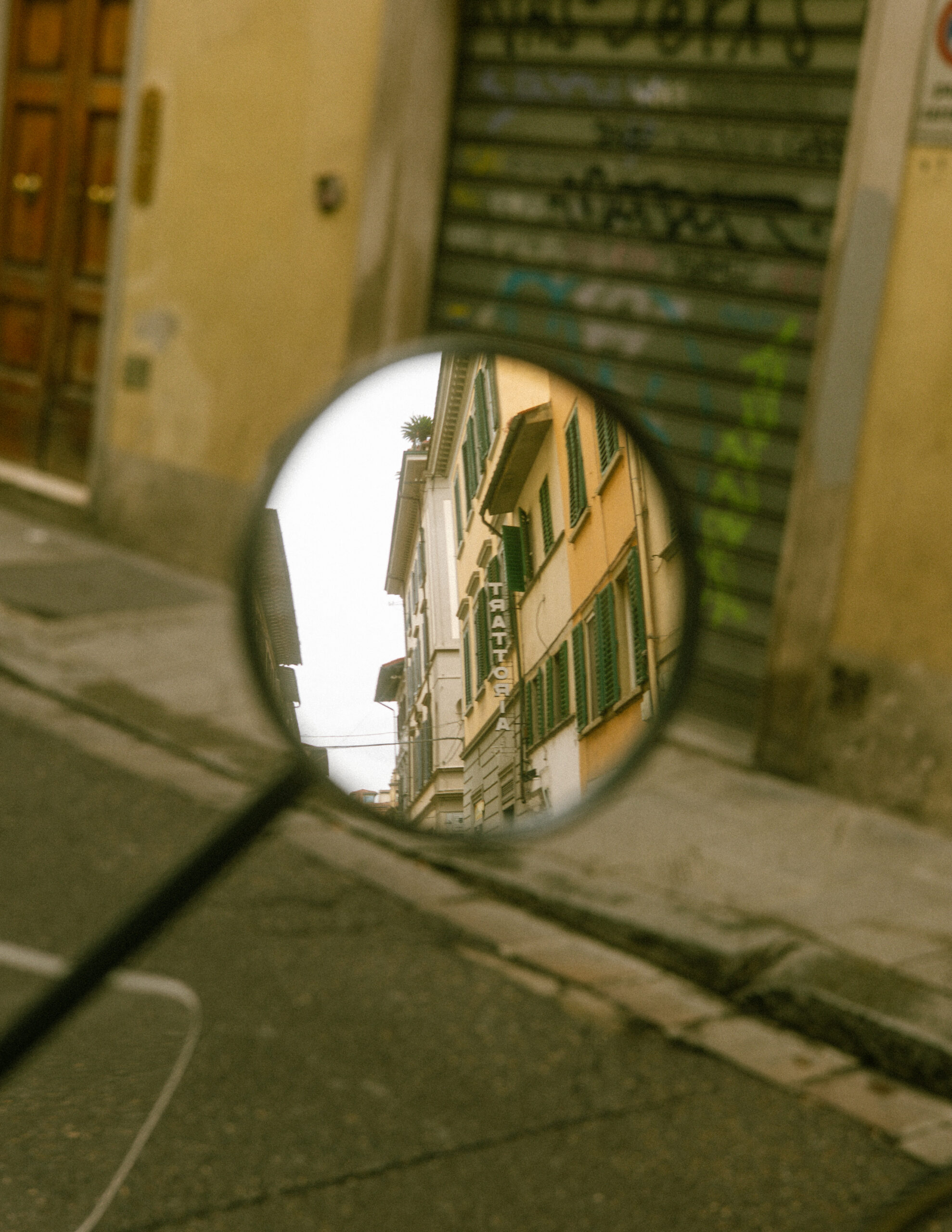
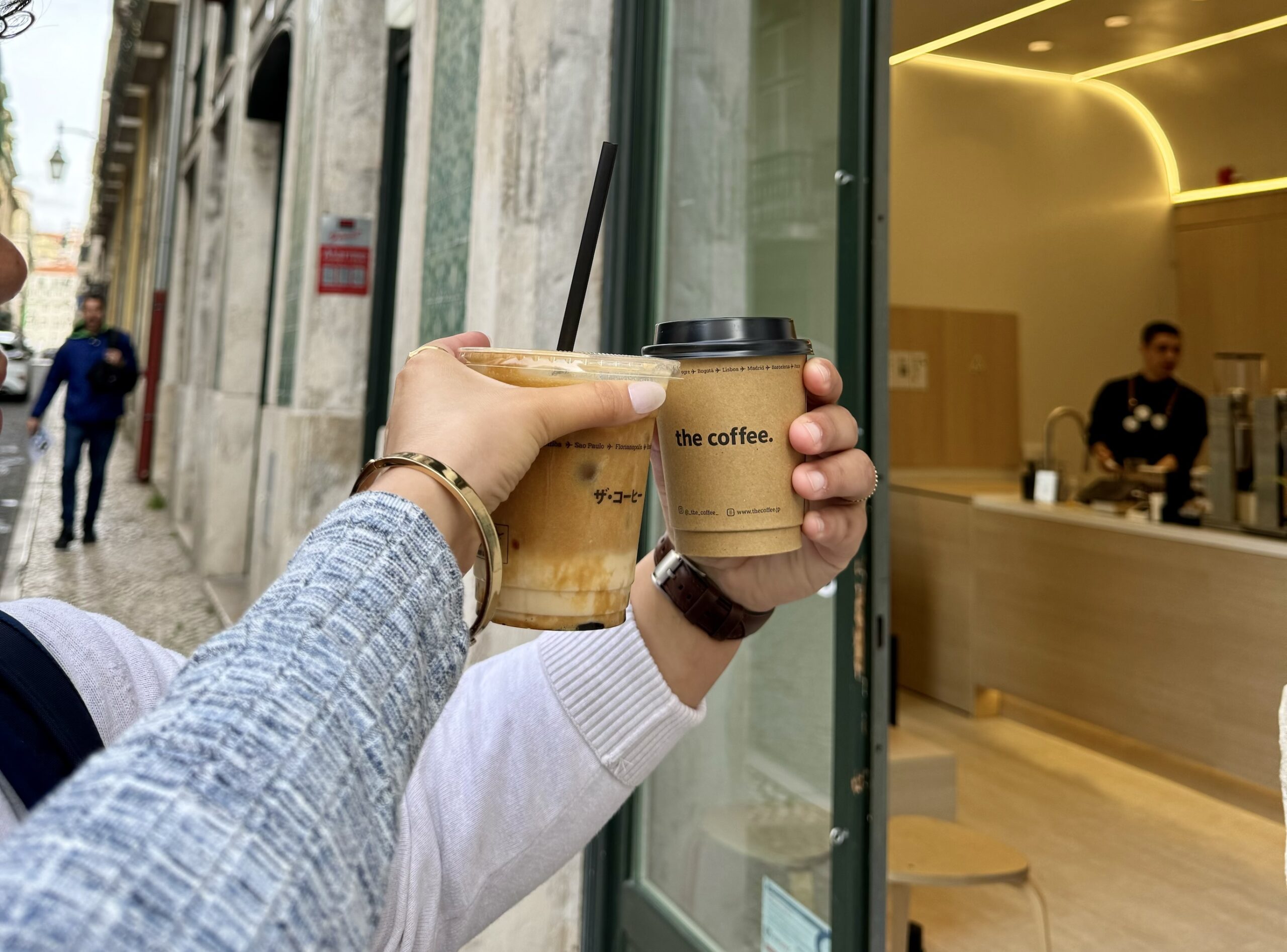
Last year I was standing on a street corner in Lisbon, holding a paper map because my phone had died, and I realized I had no idea what neighborhood I was in. I had to stop a stranger and actually ask, out loud, where I was. That five-minute conversation led me to a bakery that had been open since 1926, a tram I would never have known to take, and a whole afternoon I had not planned. It was the best part of the trip.
That moment clarified something I had been noticing for a while. The habit that has genuinely changed how I travel is also the simplest one. I leave one full day per trip completely unplanned. No itinerary, no reservations, no list of top-rated spots. Just time, and wherever I end up.
Why structure quietly kills the experience
I used to plan trips the way I plan work weeks. Every hour accounted for, every meal researched, every museum pre-ticketed. I told myself I was being efficient, getting the most out of limited time. What I was actually doing was moving through a checklist, taking photos of things I had already seen on my phone screen before I arrived.
The problem with a full itinerary is that it turns travel into execution. You are not discovering anything. You are confirming what you already looked up. That is fine for some things, honestly. I still book flights and hotels and the one or two things that require tickets in advance. But when every hour is spoken for, there is no room for the trip to surprise you, and surprise is most of what makes travel worth doing.
The day you leave empty fills itself
The first time I deliberately left a day open, I was in Porto and I was mildly anxious about it. I had this low-level feeling that I was wasting something, that I should be somewhere specific. By 10 a.m. I had wandered into a bookshop, stayed an hour, and ended up following the shop owner’s recommendation to a garden that was not in any guidebook I had read. By afternoon I had walked farther than any of my planned days and felt less tired.
What I have come to understand is that an unplanned day does not mean doing nothing. It means responding to what is actually in front of you instead of executing a plan you made from a couch three weeks ago. You walk until something looks interesting. You eat when you are hungry, not when the reservation is. You sit and watch things happen. You come back to the hotel having lived a day instead of completed one.
The small thing that makes it work
I always keep a running note on my phone, during the days leading up to the free day, of anything that catches my eye without making it a plan. A street name I liked the sound of. A neighborhood someone mentioned in passing. A market that seemed to run on a loose schedule. These are not commitments. They are loose threads I might pull if I feel like it.
This matters because a fully blank day can tip into paralysis if you have nothing to orient around. The note is not a schedule, it is more like a conversation starter with the city. I might follow one thing from the list and end up somewhere entirely different two hours later. The list just gets me out the door without the pressure of deciding everything at once.
What this habit does for ordinary life
Here is where it gets interesting and why I think about this outside of travel. When you practice leaving space in a place you have never been, you start noticing how little space you leave at home. I came back from that Lisbon trip and looked at my calendar and it was solid blocks from 7 a.m. onward, every day, for two weeks. I had been living the way I used to plan vacations.
The unplanned travel day is a kind of proof that unstructured time produces something. You have evidence, from a real day, that not knowing what comes next is not the same as wasting time. That evidence is useful. It becomes easier to protect a slow Saturday morning or to leave a Sunday afternoon genuinely open, without guilt, because you have seen what can happen when you do.
The version of this that works at home
I started doing a smaller version of the unplanned travel day in my regular life. Once or twice a month I leave a Sunday afternoon with nothing booked and nowhere I am supposed to be. I do not call it anything or make it a ritual. I just protect the time and then see where I end up.
Sometimes I drive somewhere I have passed a hundred times and never stopped. Sometimes I stay home and read something I grabbed off a shelf without a reason. The point is that I am responding to what I actually feel like doing in that moment, not what I scheduled for myself before I knew what the day would feel like. That is a small thing, but it adds up over a year in a way I notice.
The trip I remember most from any given year is almost never the one I planned the hardest. It is the one where something unexpected happened and I had enough room in the day to follow it. I am still working on building that room more consistently, but it starts every time I leave a day blank on purpose.