When most people think of Halloween, they picture costumes, candy, and maybe a spooky movie marathon. But beyond the surface-level fun, Halloween holds deep spiritual roots that go back thousands of years. It’s more than just a night to dress up—it’s a day filled with ancient traditions, spiritual beliefs, and a celebration of the cycles of life and death.
Whether you’re someone who loves the thrill of Halloween or someone who enjoys tapping into the energy of the day, there’s no denying that this holiday is about more than meets the eye. Beneath the costumes and jack-o’-lanterns lies a rich history of spiritual practices and beliefs that have shaped the way we celebrate today. Let’s dive into where Halloween came from, why its traditions are so meaningful, and how different cultures view this time of year.
So, grab your broomstick (or just a cozy chair) and let’s explore the spiritual significance of Halloween.
Historical Origins of Halloween
The Festival of Samhain
Halloween’s origins trace back to the ancient Celtic festival of Samhain (pronounced “sow-in”), celebrated over 2,000 years ago in what is now Ireland, the UK, and northern France. The Celts saw this day—October 31st—as the end of the harvest season and the beginning of winter, or what they considered the “darker half” of the year.
They believed that on this day, the boundary between the physical world and the spirit world became thin, allowing the dead to return and walk among the living. This was the time to honor the dead, pay respects to ancestors, and prepare for the cold months ahead.
During Samhain, people would light bonfires to ward off harmful spirits and wear costumes (usually made from animal skins) to disguise themselves from any wandering ghosts. Food was left out as an offering to appease the spirits, and households would set up altars with photos or items belonging to their deceased loved ones.
Spiritual Significance of Samhain
The spiritual aspects of Samhain were not just about fear, though. The Celts also believed that this thinning of the veil allowed them to receive wisdom from the spirit world. It was an opportunity for divination—seeking guidance about the future, particularly regarding the harvest and survival during the winter months.
As Christianity spread through Europe, the church tried to integrate these pagan traditions into their calendar, which brings us to the next chapter in Halloween’s evolution.
Evolution of Halloween Traditions
The Influence of Christianity
As Christianity took hold, the Catholic Church established All Saints’ Day on November 1st to honor saints and martyrs, hoping to replace the pagan festival of Samhain. The night before became known as All Hallows’ Eve, eventually shortened to Halloween. But as much as the church tried, many of the old pagan traditions persisted and merged with Christian practices.
The Birth of Trick-or-Treating
Trick-or-treating, for instance, has roots in the medieval practice of “souling.” On All Souls’ Day (November 2nd), poor people would go door-to-door offering prayers for the dead in exchange for food, often small cakes known as soul cakes. This evolved over time into what we now know as trick-or-treating, where children dress up in costumes and ask for candy.
Jack-o’-Lanterns: From Turnips to Pumpkins
The tradition of carving jack-o’-lanterns comes from an old Irish myth about Stingy Jack, a man who tricked the devil and was doomed to wander the earth after death with only a carved-out turnip lit by a burning coal to light his way. When Irish immigrants came to America, they found that pumpkins were more plentiful than turnips, so they started carving pumpkins instead. Today, jack-o’-lanterns are a central symbol of Halloween, representing the boundary between the living and the dead.
From Samhain to modern Halloween, the spiritual symbolism of life, death, and the supernatural has remained a core part of this holiday, even as the traditions have transformed over time.
Spiritual Symbolism in Halloween Practices
The Power of the Pumpkin
The pumpkin, for example, isn’t just a fun decoration. In Celtic times, people believed that spirits could visit the earth on Samhain, and carved pumpkins (or turnips) were used to ward off any harmful spirits. The lit jack-o’-lanterns were said to guide lost souls or protect homes from spiritual harm.
Why We Wear Costumes
Costumes originally had a much more serious purpose. Celts wore animal skins or other disguises to avoid being recognized by malevolent spirits. By blending in, they hoped to protect themselves from being harmed or haunted. Today, while the practice has evolved into something more lighthearted, the tradition of donning costumes on Halloween still symbolizes a connection to the spiritual world.
Witches and Magick
We can’t forget the witch, often depicted with a broomstick and pointy hat. The witch symbolizes not only magickal power but also wisdom and connection to nature. Historically, witches (or those considered witches) were people—often women—who practiced magick, healing, and divination, deeply rooted in spiritual beliefs. On Halloween, they represent the magickal potential of the night when the veil is thin and the spiritual and earthly realms can communicate more freely.
Whether it’s the skeletons, black cats, or bats that you see decorating houses and stores during Halloween, many of these symbols are tied to death, rebirth, protection, or the unknown. And it’s this mystery of life and death that lies at the heart of Halloween.
Modern Pagan and Wiccan Celebrations of Halloween
Samhain in Modern Paganism
For modern pagans, especially those practicing Wicca, Samhain remains a deeply sacred time. It’s considered one of the most important sabbats, or seasonal festivals, on the Wheel of the Year. During Samhain, pagans honor the cycles of life and death, celebrating both the ancestors and the natural world as it prepares for winter’s rest.
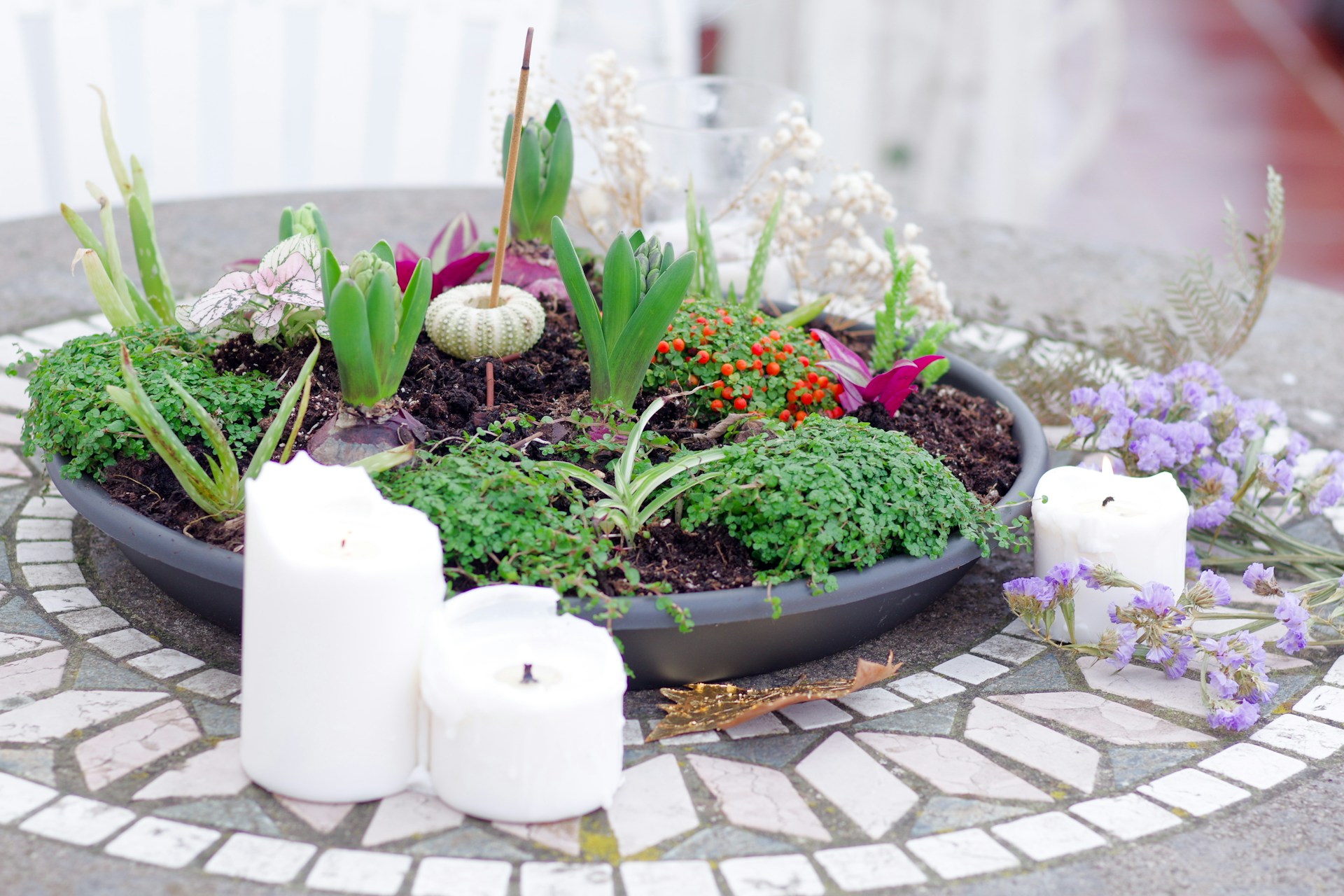
Many modern pagans hold rituals that include lighting candles for deceased loved ones, creating altars, and conducting divination practices such as tarot readings. Some perform ceremonies in nature to tap into the earth’s energy during this transitional time, often casting circles to focus on spiritual work. The thinning of the veil between worlds is an opportunity to communicate with spirits, seek guidance from ancestors, and reflect on life’s cyclical nature.
Rituals and Magickal Practices
In Wiccan practice, Samhain is seen as the Witches’ New Year, a time for spiritual reflection, setting intentions, and practicing divination. Rituals might include casting protective spells, preparing for the coming winter, or even banishing negative energies. Divination is a key aspect of Samhain celebrations, as it’s believed that insights gained during this time are particularly potent. Whether it’s using tarot, runes, or scrying (gazing into reflective surfaces), many seek to gain clarity and guidance for the months ahead.
For pagans and Wiccans, the spiritual significance of Halloween goes far beyond costumes and candy. It’s a time to honor both life and death, and to connect with the spirit world in meaningful ways.
Global Halloween Celebrations and Spiritual Practices
Día de los Muertos
While Halloween is most widely celebrated in Western countries, many cultures have their own versions of spiritual festivals centered around honoring the dead. Perhaps the most famous of these is Mexico’s Día de los Muertos (Day of the Dead), a celebration that spans from October 31st to November 2nd. Unlike the spooky and eerie vibes often associated with Halloween, Día de los Muertos is a bright and colorful celebration of life, death, and family.
On this day, families create altars (called ofrendas) to honor their deceased loved ones, decorating them with candles, marigolds, sugar skulls, and the favorite foods of the departed. It’s believed that during these days, the spirits of the dead return to the living world to visit their families. The celebration is filled with music, dancing, and feasting, as it’s a time of joyous remembrance, not mourning.
Similar Festivals Around the World
Other cultures celebrate similar festivals of the dead. In Japan, there’s Obon, a Buddhist festival where families welcome back the spirits of their ancestors with lanterns and offerings. In Cambodia, Pchum Ben is a religious ceremony where people pay respects to their ancestors through food offerings at temples. These traditions, like Halloween, emphasize the spiritual connection between the living and the dead and show how universal the themes of life, death, and remembrance are.
Halloween and Its Impact on Popular Culture
Halloween in Movies, Books, and Art
Halloween’s spiritual themes of life, death, and the supernatural have inspired countless works of popular culture. From classic horror films like Halloween and Hocus Pocus to literature exploring witches, spirits, and the occult, Halloween’s influence is hard to miss. It’s no wonder that many stories tied to Halloween are filled with symbolism, touching on fears of death, the afterlife, and the unknown.
The images and symbols of Halloween—witches, skeletons, ghosts—often find their way into art, not only in the horror genre but in works that explore humanity’s relationship with death and the spirit world. These symbols serve as reminders of the spiritual and psychological meanings Halloween holds, even as they entertain us.
How Halloween Shapes Our Understanding of Death
Halloween’s presence in pop culture gives us a chance to explore darker themes in a more approachable way. Whether it’s through scary movies, books, or haunted houses, the holiday lets us confront our fears of death and the unknown from a safe distance. It taps into our fascination with the supernatural and provides a culturally accepted space to delve into those mysteries.
The Psychological and Emotional Significance of Halloween
Facing Our Fears
While Halloween may be a time for candy and costumes, it’s also a time when we symbolically face our fears. Dressing up as something spooky—a ghost, a witch, a vampire—allows us to explore the darker sides of life in a playful, controlled way. By confronting these symbols of death and the unknown, we can address our deeper anxieties about mortality, change, and the mysteries of existence.
There’s something cathartic about it. You’re acknowledging the scary parts of life, but with a smile (or at least while eating candy). It’s a cultural way of saying, “I see the scary stuff, but I’m not afraid.”
Embracing Transformation and Change
Halloween is also a time to think about transformation. Just as the seasons are changing and the natural world is beginning to die back for the winter, Halloween gives us a chance to reflect on our own cycles of growth, change, and rebirth. Whether it’s letting go of old habits, setting new intentions for the coming months, or simply recognizing the inevitable flow of life and death, the spiritual significance of Halloween reminds us that change is a constant part of life.
Halloween may be filled with costumes, candy, and spooky decorations, but underneath it all, this holiday holds a deep spiritual significance. From its ancient roots in the Celtic festival of Samhain to the modern-day celebrations by pagans and Wiccans, Halloween is a time to honor the dead, reflect on life’s cycles, and embrace both the darkness and the light.
Whether you’re lighting a jack-o’-lantern, dressing up in a costume, or simply enjoying the festive spirit, take a moment to appreciate the spiritual energy that flows through Halloween. It’s a night where the past and present come together, where the physical and spiritual worlds collide, and where we’re reminded of life’s great mysteries.