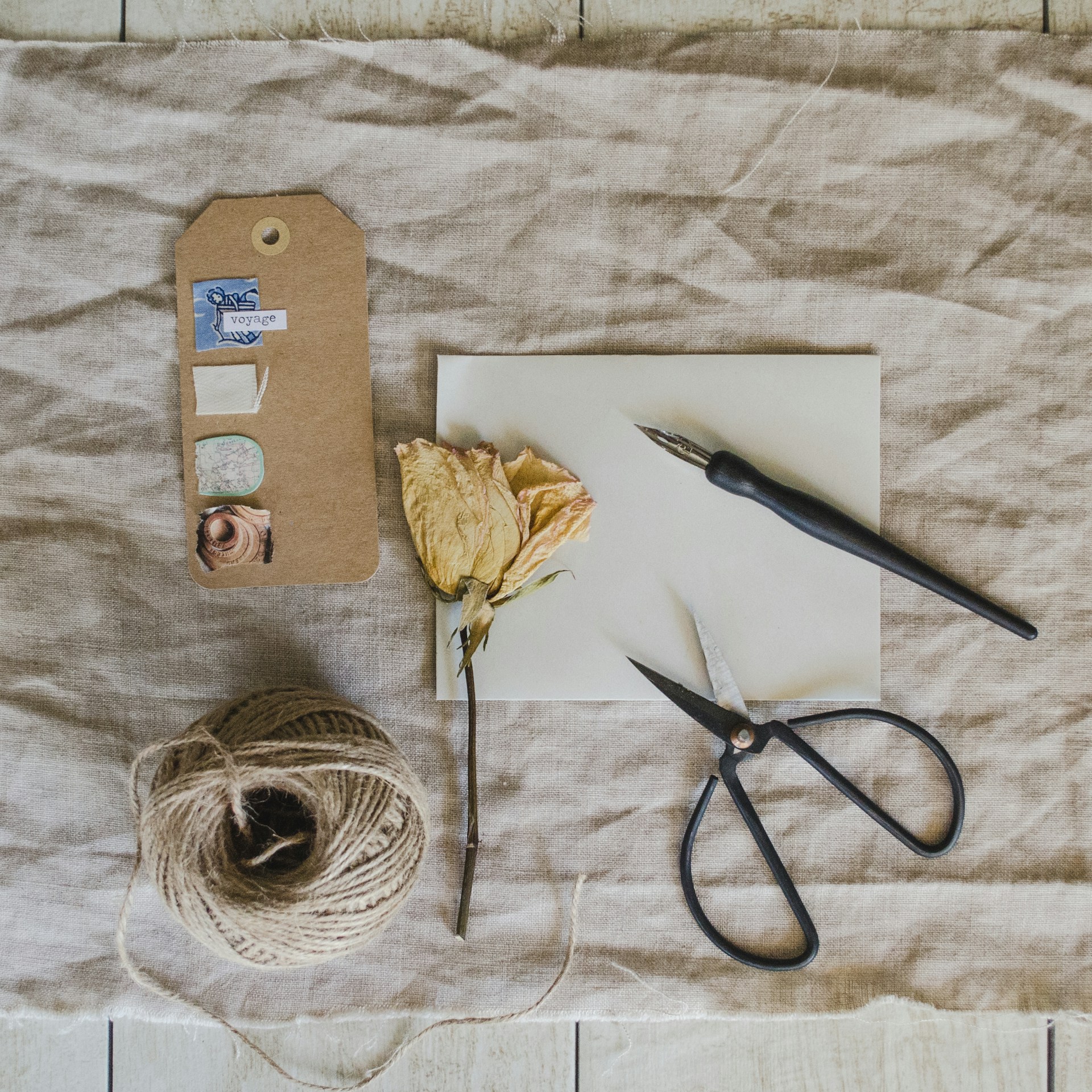
I kept a notebook for three years with the title “Business ideas to start when I’m ready.” It sat on my desk the whole time. I never opened it to actually start anything, because I was always almost ready, nearly there, just waiting for one more condition to fall into place. The timing felt slightly off. I needed more savings. I needed to feel more confident. I needed the kids to be a little older. There was always something.
What I eventually figured out, after watching that notebook collect coffee rings and do absolutely nothing, is that perfect timing is not a thing that arrives. It is a thing your brain invents to protect you from doing something uncomfortable.
Why the brain loves “not yet”
The mind is very good at making waiting feel responsible. It frames delay as preparation. Pausing starts to feel like wisdom instead of avoidance, and the longer you wait, the more that framing hardens into identity. You become someone who is “getting ready” to do the thing, rather than someone who just has not done it.
I noticed this pattern in myself most clearly around fitness. For almost two years I was going to start running again once my knee felt better, once winter was over, once work calmed down. Each condition was reasonable on its own. Together they formed a wall. The real issue was not my knee or the weather. It was that I had built up starting into such a significant moment that anything less than perfect conditions felt like it would doom the whole effort.
The cost of waiting is invisible at first
When you wait for the right moment, nothing obviously bad happens. Your life continues. You are not failing visibly. This is what makes the habit so easy to maintain for a long time. The cost shows up slowly, in the form of things you still have not done after years go by, options that quietly closed while you were preparing to use them.
A friend of mine spent four years planning to move closer to her parents. She had a list of conditions that all needed to align. Her parents got older and less well while she waited for perfect. That is not dramatic storytelling. That is just how time works, and waiting does not pause anything outside your own hesitation.
Conditions multiply the longer you wait
Here is something I have watched happen to myself and to almost everyone I have talked to about this. When one condition finally gets met, another appears to take its place. You needed more money, and then you had more money, and suddenly you needed more confidence too. The list does not shrink. It grows, because the waiting was never really about the conditions.
The conditions are the story the brain tells. Getting past one just reveals the next layer. The only way out is to start before the list is finished, which means starting before you feel fully ready, which is actually the only way anyone ever starts anything real.

What actually gets things moving
The shift for me came when I stopped trying to feel ready and started looking for the smallest version of the action I was putting off. Not the full launch, not the whole project. Just the first physical thing. With the notebook, that meant opening it and writing one sentence. Not a plan. Not a vision. One sentence about what I actually wanted to do.
Motion creates more motion. That sounds obvious but it does not feel obvious when you are sitting in the waiting mode, because everything in that state is geared toward stillness. One small action disrupts the stillness more effectively than any amount of mental preparation. I have started things in worse conditions than I was waiting for, and the conditions stopped mattering almost immediately once I was actually doing the thing.
Lower the entry point until you cannot say no
When I finally started running again, I did not commit to a training schedule. I committed to putting on my shoes and going outside. That was the whole deal. Some days I walked for ten minutes and came home. That counted. What I was actually doing was proving to myself that the starting was accessible, that it did not require perfect conditions, just a low enough bar to step over.
This works because the resistance is almost always at the beginning, not in the middle. Once you are doing the thing, the thing tends to carry you forward. The problem is never the running. The problem is the story you build around the start. Make the start so small it barely counts as a decision, and the story loses most of its power over you.
Accept that the timing will never feel right
This is the part that took me the longest to actually accept rather than just understand. Feeling ready and being ready are not the same thing, and waiting for the feeling is a trap. Most of the things I am glad I did in my life were started when the timing felt questionable. Most of the things I regret are things I waited on until the window quietly closed.
The moment you are waiting for is largely a feeling of certainty, and certainty about uncertain things does not come before you act. It comes after, sometimes well after. You will not feel ready until you have already started, and by then the question of readiness will not matter much anyway.
That notebook from three years ago is still on my desk. One of the ideas in it eventually became something I actually do now, not because the timing became perfect but because I stopped requiring it to be. The right moment turned out to be a random Tuesday afternoon when I had half an hour and nothing more to wait for.