The first time I planted with real intention, I was going through a rough patch. I had just ended a long relationship and a friend suggested I get something living to take care of. I bought four herb seedlings, a bag of soil, and a single ceramic pot. Within two weeks, I was spending more time outside than I had in years. That was the beginning of something I still do every season.
I want to be clear about what I mean here. This is not about magic rituals or following a specific spiritual path. It is about using the physical act of gardening as a container for emotional processing and goal-setting. The combination works better than anything else I have tried, and I have tried a lot.
Why the garden works differently than a journal or vision board
There is something about working with living things that makes intention-setting land in a different part of your brain. A vision board is passive. A journal entry stays on the page. But a plant needs you to come back. It gives you something to tend. That daily return is what changes things.
I noticed early on that the mornings I spent even ten minutes in my garden were the mornings I felt most settled going into my day. Not because of anything mystical. Because I had already done something real. I had watered, checked in, noticed something growing. That quiet rhythm builds a kind of baseline calm that carries over.
The other thing is that gardens move at their own pace. You cannot rush a seed. You plant it and then you wait, and in that waiting you practice something most of us are terrible at: trusting a process you cannot control.
Choosing what to plant with purpose
Plants I reach for first for emotional support
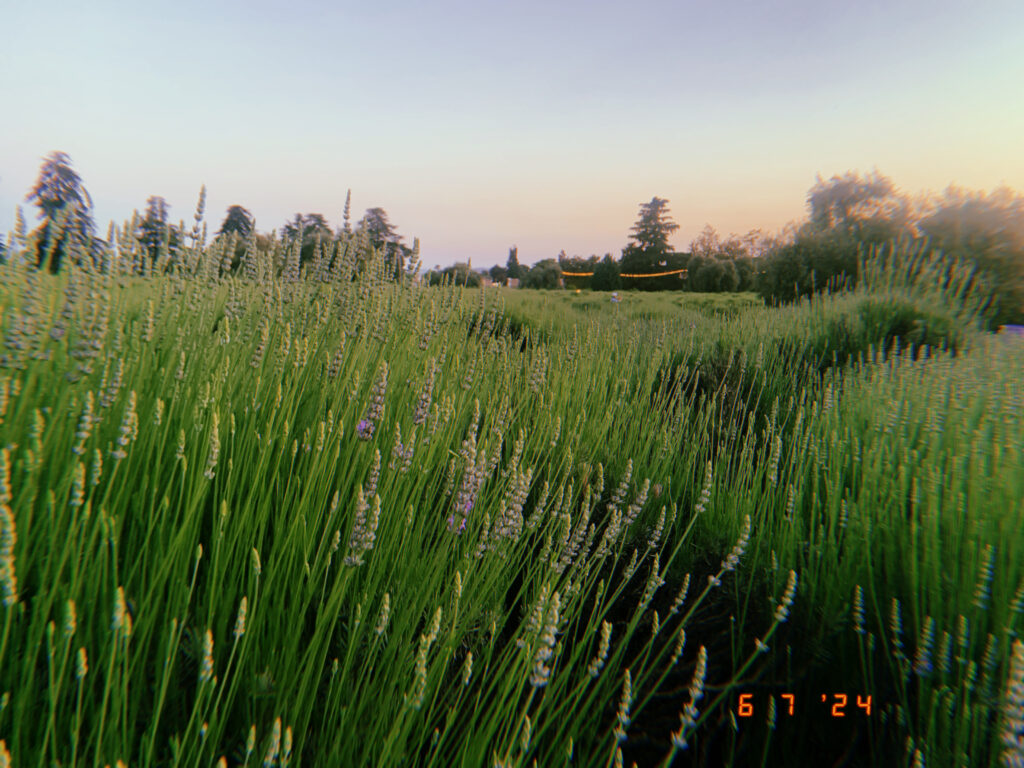
Lavender is the one I always come back to. I grow it in a pot by my back door so I brush past it every time I go outside. The smell genuinely shifts my mood. I started with a small English lavender plant from the nursery and it has come back every year. If you are new to this, start with one lavender plant before anything else.
Chamomile is the other one I consider essential. I grow German chamomile because it self-seeds and comes back without much help from me. I harvest the flowers and dry them for tea, and there is something satisfying about drinking something you grew yourself specifically for the purpose of calming down.
Rosemary I use for focus. It sounds like a lot to claim for a herb, but I have found that working near rosemary or using it in cooking on days I need to concentrate genuinely helps me feel sharper. The scent is part of it.
Plants I use as anchors for what I am working toward
Every season, I pick two or three plants that I associate with a specific goal or feeling I am trying to build. This is the manifestation side of it, and it is simpler than it sounds. Last spring, I planted sunflowers because I wanted to feel more expansive and less contracted. Watching them grow taller than me over the summer was a daily reminder of what I was moving toward.
I also keep a small plot where I grow whatever is connected to something I am working through or working toward at the moment. Right now it has calendula for resilience (it blooms even when I ignore it), and sweet peas for something I want to cultivate more of, which is delight in small things. There is no rule about which plant means what. You get to decide that. The meaning comes from your own intention when you plant it.
How to actually set this up
You do not need a lot of space. My main garden is a 4×4 raised bed plus six or seven containers on a small patio. If you are starting from scratch, two or three pots near a door you use every day is enough.
What matters more than size is placement. Put it somewhere you will pass naturally. Not somewhere that requires a dedicated trip. The garden works because it becomes part of your daily rhythm, not a separate event.
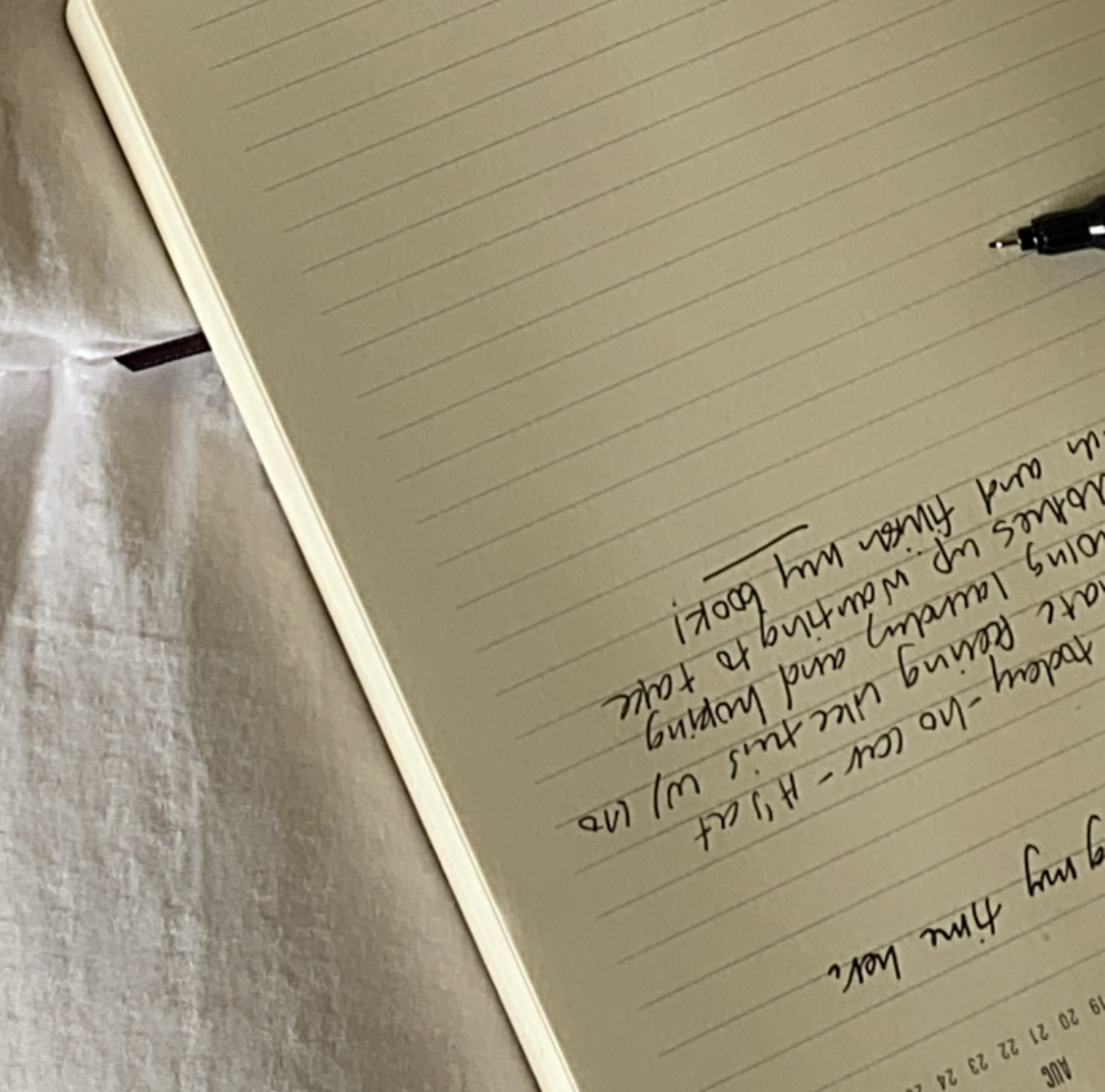
When I plant something with a specific intention, I write it down in a small notebook I keep near my garden tools. Not a long entry. Just the date, what I planted, and one sentence about what I am working toward. When I check on the plant in the weeks that follow, I read it back. It keeps the intention alive without being performative.
One thing I learned the hard way: do not over-plant in the beginning. I did this my first real season and ended up overwhelmed, which was the opposite of what I was going for. Start with three or four things you actually want to tend. A few things that are doing well feel much better than a lot of things that are struggling.
The tending practice itself
The most important part of this whole thing is not what you plant. It is the act of showing up to tend it regularly. Even when nothing seems to be happening. Especially then.
I spend time with my garden every morning, even if it is just two or three minutes. I water what needs it, I pull a weed or two, I look at what has changed. I do not bring my phone. That time has become the clearest thinking time of my day.
If I am working through something difficult, I take it to the garden. Not to talk to the plants, but because physical, repetitive work frees up something in my mind that sitting still does not. I have solved problems and moved through grief and made decisions while deadheading roses and turning compost.
Oh, and another thing: pay attention to what dies. I used to feel bad when a plant did not make it. Now I treat it as information. Something about the conditions was not right. That is not failure. That is data. The willingness to try again without shame is one of the most useful things gardening has taught me.
Bringing it inside
I bring cuttings and dried flowers indoors and keep them in places I look at every day. My desk has a small vase. My kitchen windowsill has drying herbs. Having the garden represented inside the house means the practice is not just something that happens outside. It follows me in.
The connection between the outer garden and your inner life is not something you have to force or manufacture. Just start planting with some awareness of why you are choosing what you choose. The rest tends to take care of itself.