A few years ago I hit a wall so hard I slept for fourteen hours on a Saturday and still woke up tired. I had been treating rest like a reward for finished work, and the work was never finished. My to-do list kept growing, my focus kept shrinking, and I kept telling myself that one more productive evening would fix everything. It did not.
That weekend was the beginning of a slow, stubborn shift in how I think about rest. Not rest as recovery from work. Rest as something that belongs in my schedule whether or not I have earned it.
Why rest gets treated like a cheat code
There is a very specific guilt that comes with sitting down in the middle of the day when there are still things to do. I know it well. You settle onto the couch with a book, and within ten minutes your brain has drafted a mental list of everything you are not doing. This is not a personal failing. It is a reflex built by years of absorbing the message that productivity equals worth.
The culture around hustle is relentless. Sleep is marketed as laziness. Busyness is a status symbol. And rest, when it is allowed at all, is packaged as something you have to earn through exhaustion first. The problem is that you cannot outrun diminishing returns. After a certain point, working more just means doing worse work for longer.
I spent two years chasing an impossible standard of output before I noticed that my best ideas came not when I was grinding, but when I was walking the dog, cooking dinner, or lying awake for ten quiet minutes before checking my phone. Rest was not the enemy of productivity. It was where the good thinking actually lived.

What rest actually means
It is not the same as doing nothing
Rest is not the absence of activity. It is the presence of recovery. And recovery looks different depending on what you have depleted. If you have been staring at a screen all day, scrolling more social media is not rest, even though you are technically not working. Your brain is still processing stimulation and output.
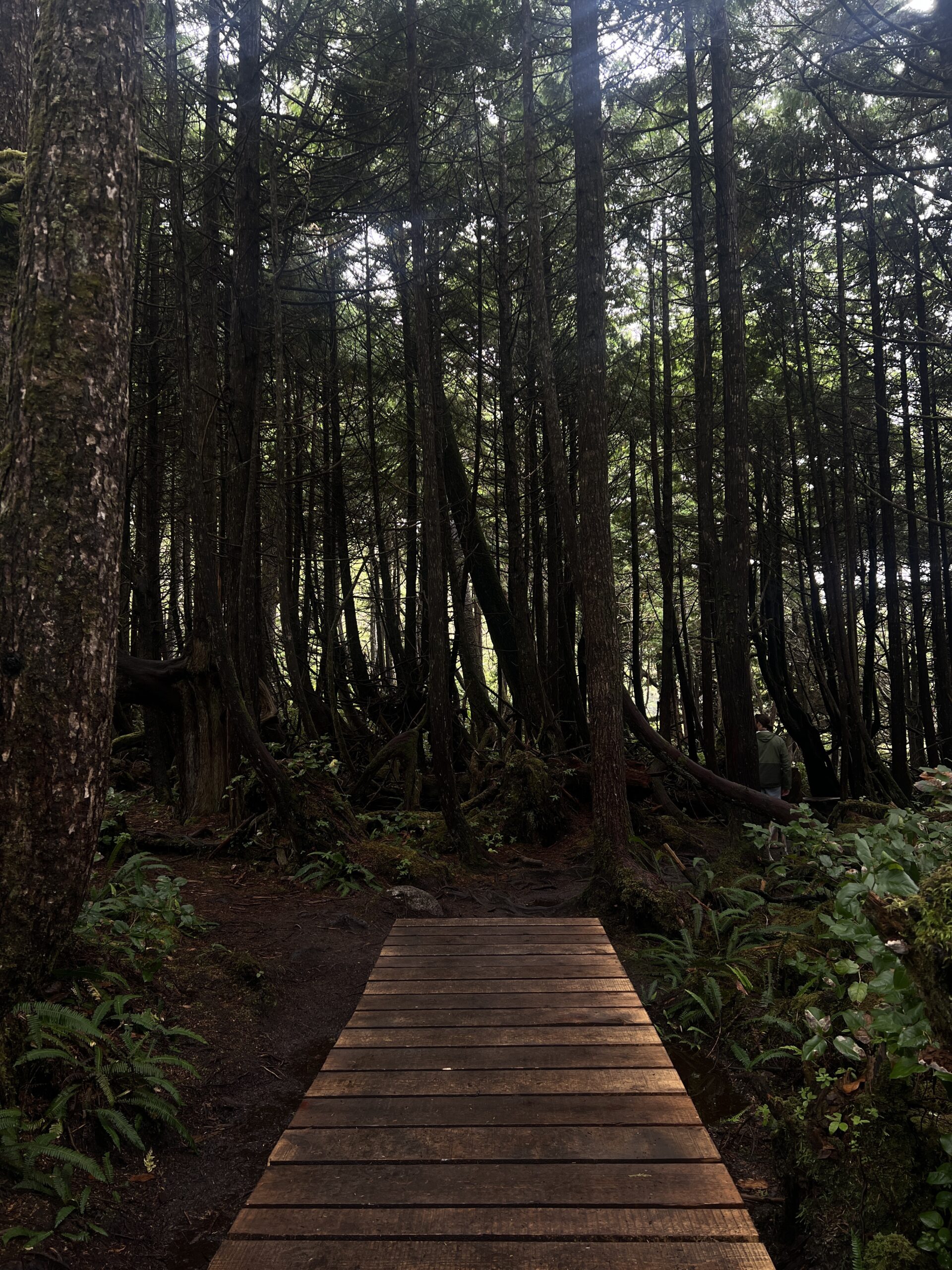
For me, actual rest means doing something that does not demand a result. A walk with no destination. Reading something I am not going to use. Sitting outside without my phone. These things felt almost irresponsible the first time I committed to them on a Tuesday afternoon.
The type of rest matters more than the amount
I used to think eight hours of sleep fixed everything, and I was baffled when it did not. It took me a while to understand that physical rest, mental rest, and emotional rest are genuinely separate things. You can sleep a full night and still feel depleted if you spent the day managing difficult people or suppressing a lot of emotion.
When I started paying attention to which activities actually left me feeling restored versus which ones just killed time, everything changed. Social events I attended out of obligation were draining even when I enjoyed them. Time alone in my yard with no agenda was genuinely restorative even when it was only twenty minutes. I started protecting that twenty minutes the same way I would protect a meeting.
How I actually build rest into my week
The thing that finally stuck was treating rest like an appointment rather than something that happened to me when I was too tired to continue. I put a two-hour block on Wednesday afternoons that I do not schedule over. I do not always use it the same way. Sometimes I nap. Sometimes I read. Once I reorganized a closet because that felt genuinely satisfying and low-stakes. The point is that the time is protected.
I also stopped treating weekends as catch-up time for the work week. This one was hard. The pull to use Saturday morning for emails and admin tasks is real. But I noticed that when I did that, by Sunday night I felt resentful and already depleted before Monday began. The weekends where I actually disconnected meant I started the next week with something close to enthusiasm.
One thing I did not expect was that the rest made me better at knowing when I was actually done for the day. Tired brain and rested brain are completely different instruments. Rested, I can write something decent in forty minutes. Depleted, I can spend two hours producing something I will delete tomorrow. Rest is not time off from the work. It is what makes the work worth doing.
The one habit that changed everything
Stop checking your phone for the first thirty minutes after you wake up. I know this sounds unrelated to rest, but it is not. The moment you open messages or headlines, you have handed your first conscious minutes of the day to other people’s priorities. Your brain moves from sleep into reactive mode without any buffer.
I started using those thirty minutes to drink coffee and do nothing in particular. Sometimes I stretch. Sometimes I sit in the kitchen and watch the light change. It sounds almost embarrassingly small. But it set a tone for the whole day that made every task feel less frantic and every rest break feel less stolen.
Rest is not something I figured out all at once. I still have weeks where I slide back into the grind and wonder why I feel awful by Thursday. But now I recognize that feeling faster, and I know exactly what to do about it.