I repainted my home office a muddy gray because a design blog said it was sophisticated. I sat in that room for six months feeling vaguely tired every single afternoon. Then I painted it a warm terracotta orange on a whim, mostly because I had leftover paint from the kitchen. Within a week, three people commented that my energy on video calls seemed different. That was the moment I started paying real attention to color.
I am not talking about chromotherapy or any clinical framework. This is just what I have learned from years of deliberately experimenting with color in my home, my wardrobe, and even the objects on my desk. Some of it surprised me. Some of it confirmed what I already suspected. All of it was worth paying attention to.
How your surroundings actually affect your mood
There is a reason certain restaurants use red and orange in their decor and certain spas lean heavily into soft greens and blues. Color sends signals to your brain before you have consciously registered anything. It is not magic. It is just pattern recognition built up over a lifetime of experience.
The part that took me longer to accept is that this works in your own environment too, even when you live with the colors every day. The novelty fades but the underlying effect does not disappear entirely. I still feel more alert in my terracotta office than I did in the gray one, years later.
Warm colors and what they actually do
Warm colors, the reds, oranges, and yellows, tend to feel activating. I reach for them when I want to feel more engaged or sociable. My kitchen has warm yellow accents and I genuinely look forward to spending time in there in a way I did not before.
The mistake I made early on was going too saturated too fast. A deep, vivid red in a space where you spend hours can tip from energizing into agitating. I learned this the hard way with a red accent wall in a room I used for winding down at night. Lighter, warmer tones in smaller doses work better if you want the lift without the edge.
Cool colors and when they earn their place
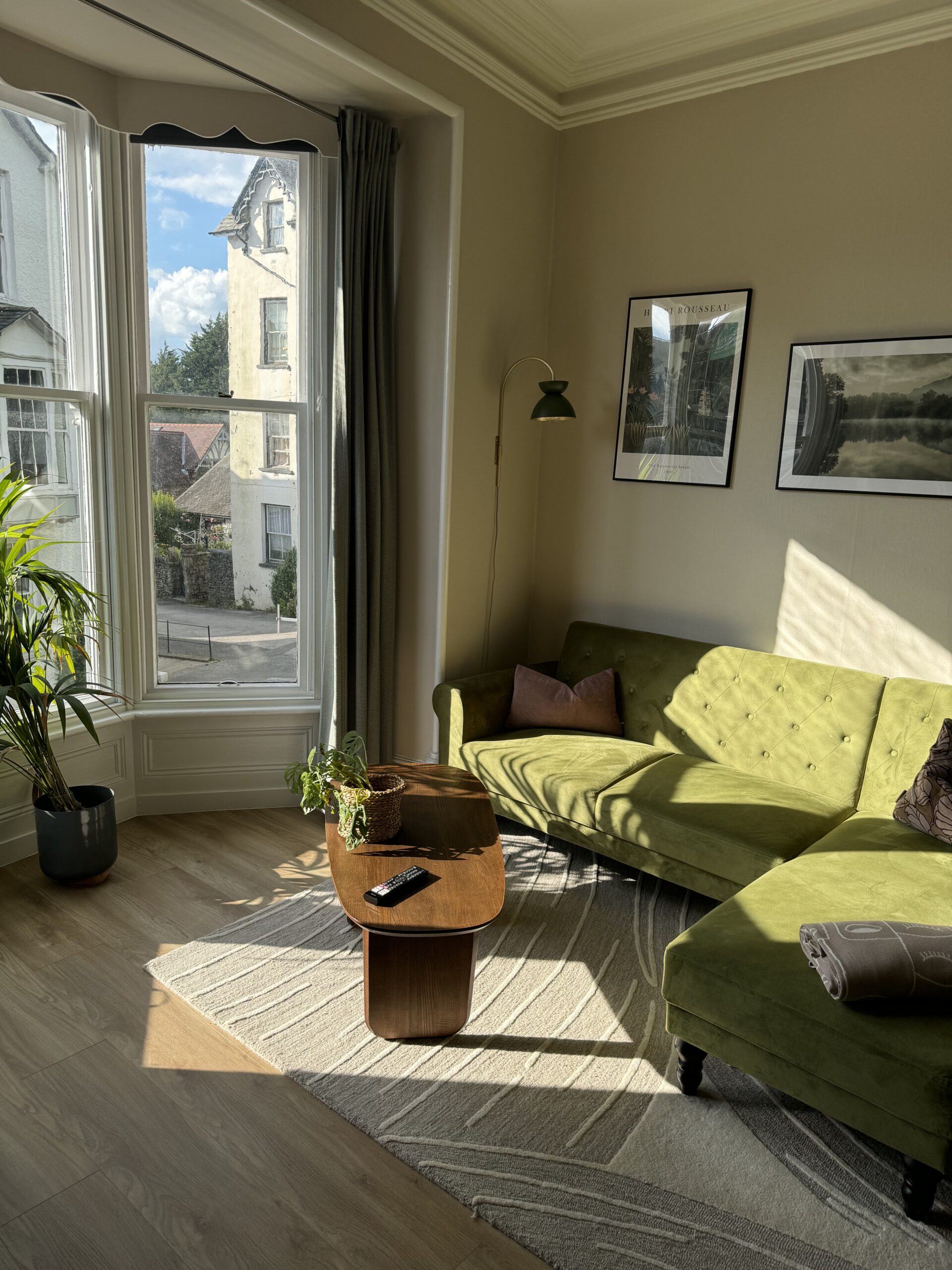
Blues and greens tend to feel quieter and steadier. I have a reading corner with a deep teal armchair and it is the one spot in my house where I actually stay still long enough to finish a chapter. That is not a coincidence.
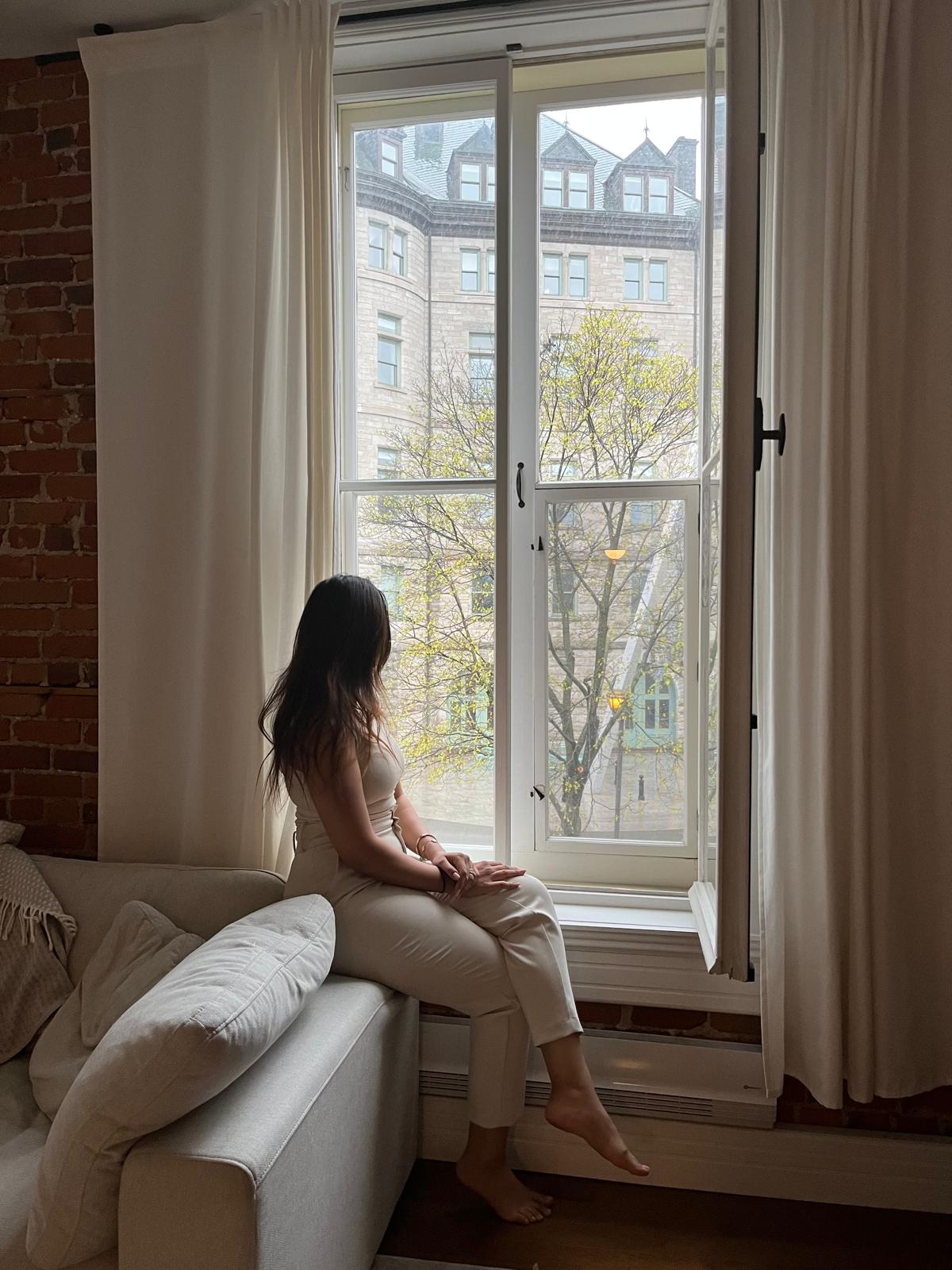
Cool tones in a bedroom genuinely seemed to help me sleep longer on nights when my mind was running fast. I am not making a medical claim here. I just noticed it consistently enough to keep the soft blue-gray on those walls and not touch it.
Bringing color into your wardrobe without overhauling everything
I used to wear almost exclusively black and navy. Easy, professional, required no thought. What I eventually noticed was that on days when I had a difficult conversation ahead of me, or needed to feel more confident in a meeting, the black was not helping.
I started small. One rust-colored sweater. One pair of dark green trousers. I wore them on days when I wanted a specific feeling and paid attention to whether it landed. It did, often enough to convince me.
The colors worth adding first
If you are not used to wearing color, the easiest entry points are accessories and layering pieces. A scarf or bag in a saturated tone does not commit you to anything and you can take it off if it feels like too much that day.
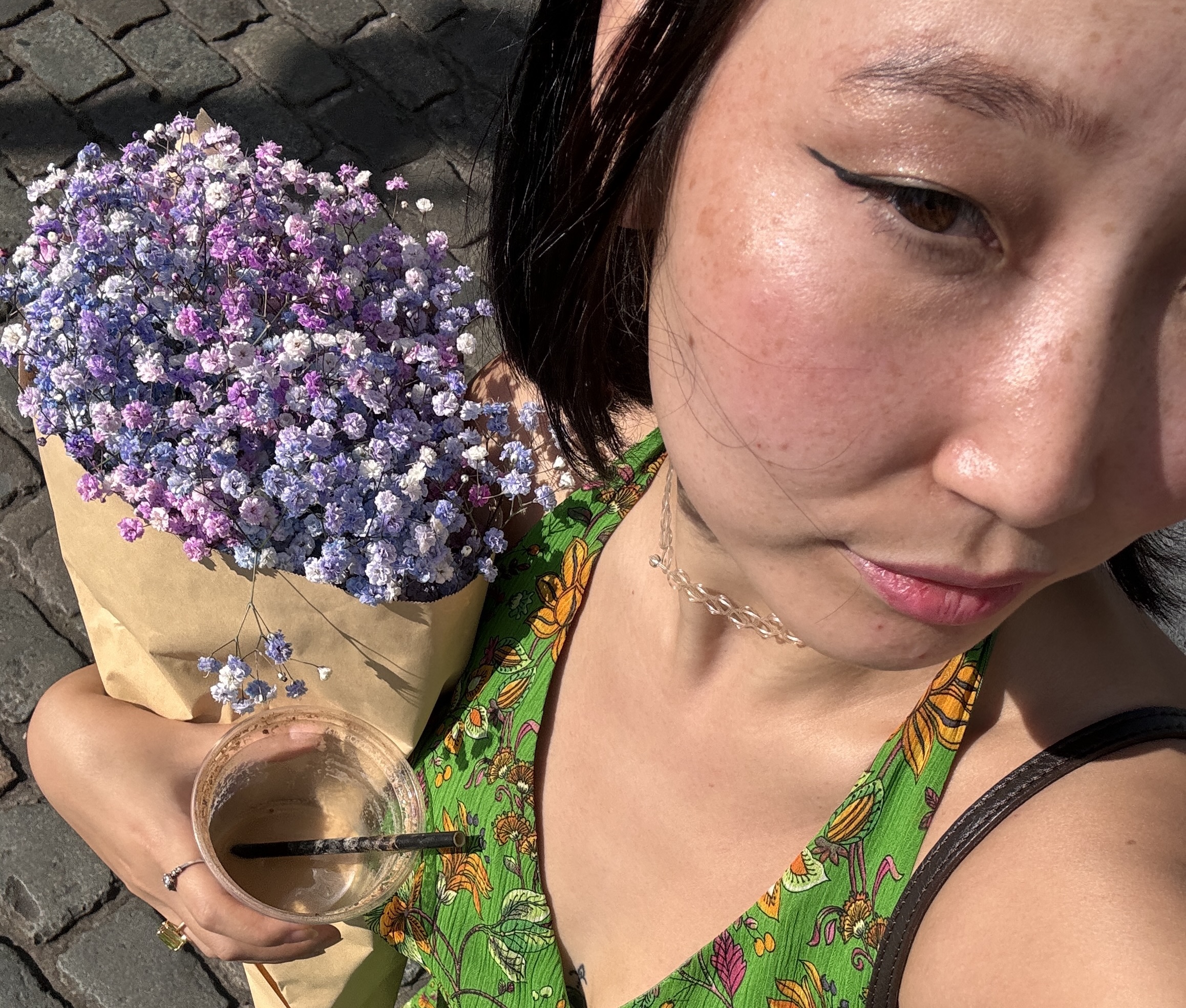
The colors I come back to most are warm amber tones when I need to feel grounded, and brighter clear colors like cobalt or grass green when I want to feel more outward-facing and present. These are personal. Yours might be completely different, and the only way to find out is to try things and actually notice how you feel wearing them.
What I stopped doing
I stopped buying things just because they were on sale in a color I did not actually respond to. A closet full of clothes you never reach for is a common outcome of buying color carelessly. Now if something does not give me a small positive response when I hold it up, I put it back regardless of the price or the fit.
Small color changes that have an outsized effect
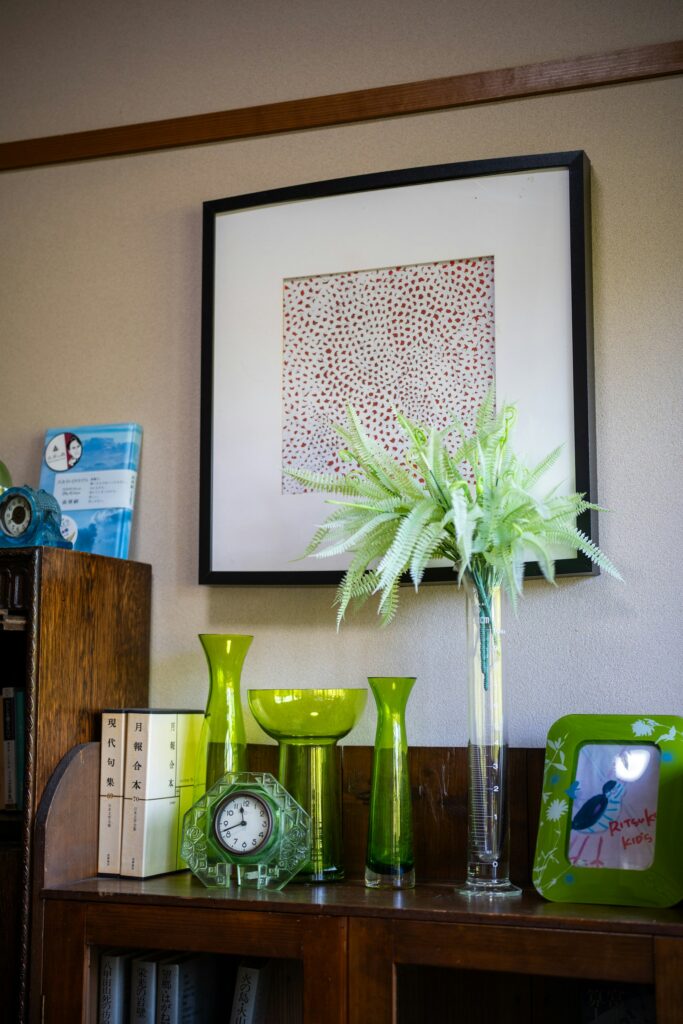
You do not have to repaint a room or buy a new wardrobe to get a feel for this. The objects around you matter too. I swapped out a set of plain white mugs for a set in deep forest green and that small change genuinely made my morning coffee feel more like a ritual I was choosing rather than just a habit.
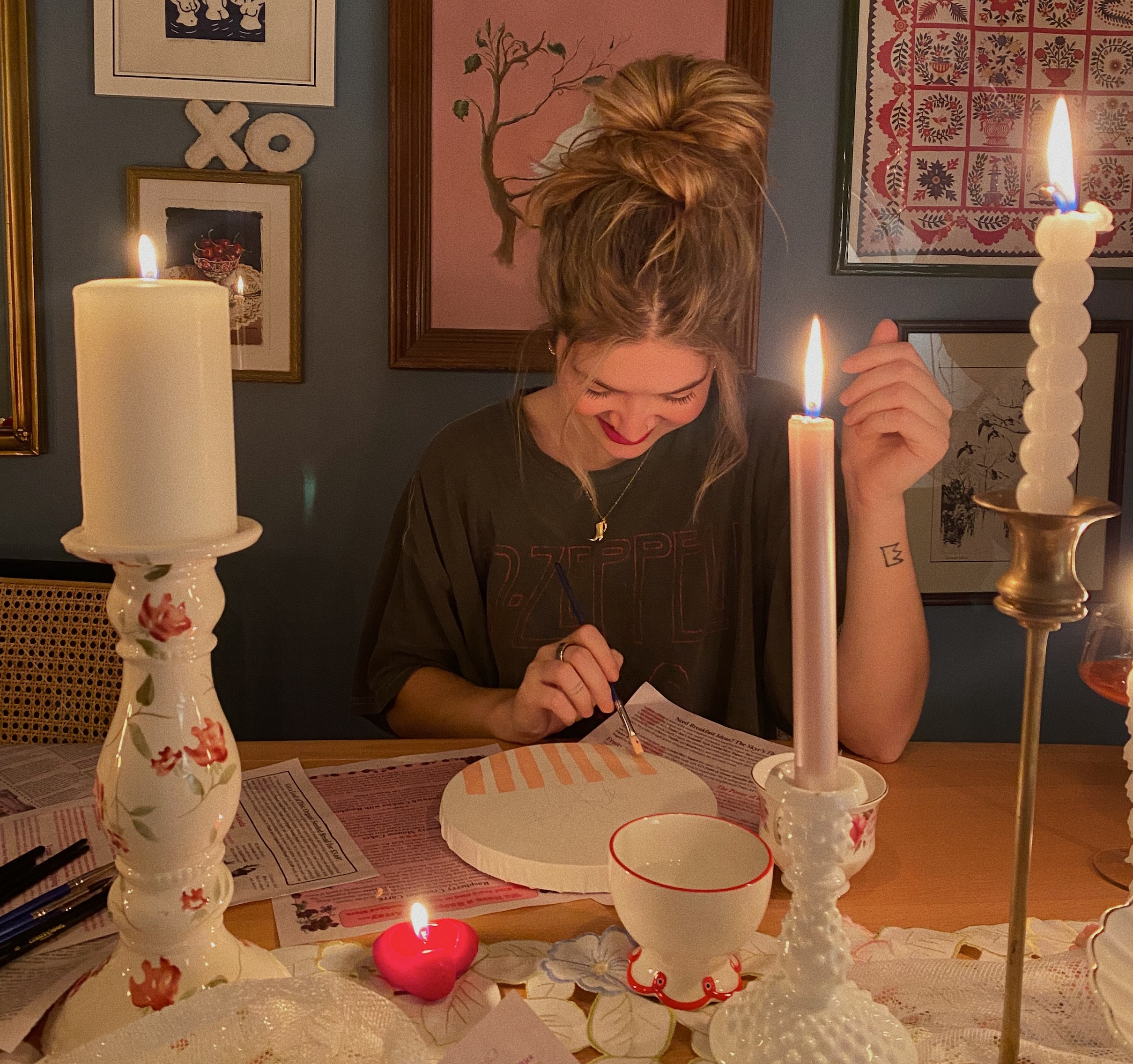
A throw blanket, a set of placemats, a lamp shade, a small plant in a colorful pot. These are low-commitment ways to introduce a color into a space and see how you respond to it over a few weeks.
Oh, and one thing that took me too long to figure out: the color of your lighting matters as much as the color on your walls. Warm-toned bulbs in the evening make a room feel completely different than cool daylight bulbs, even if you change nothing else. I switched everything in my living room to warmer bulbs and it had more visible impact than the cushions I spent an hour picking out.
Starting with what you already notice
The easiest place to start is with colors you already find yourself drawn to without thinking. The mug you always reach for. The chair you always choose. The sweater that feels like a reward. There is information in those preferences worth following deliberately rather than accidentally.
Color has been in the background of my life the whole time. I just stopped treating it as decoration and started treating it as something worth paying attention to. The payoff has been small and consistent and real, which is the best kind.